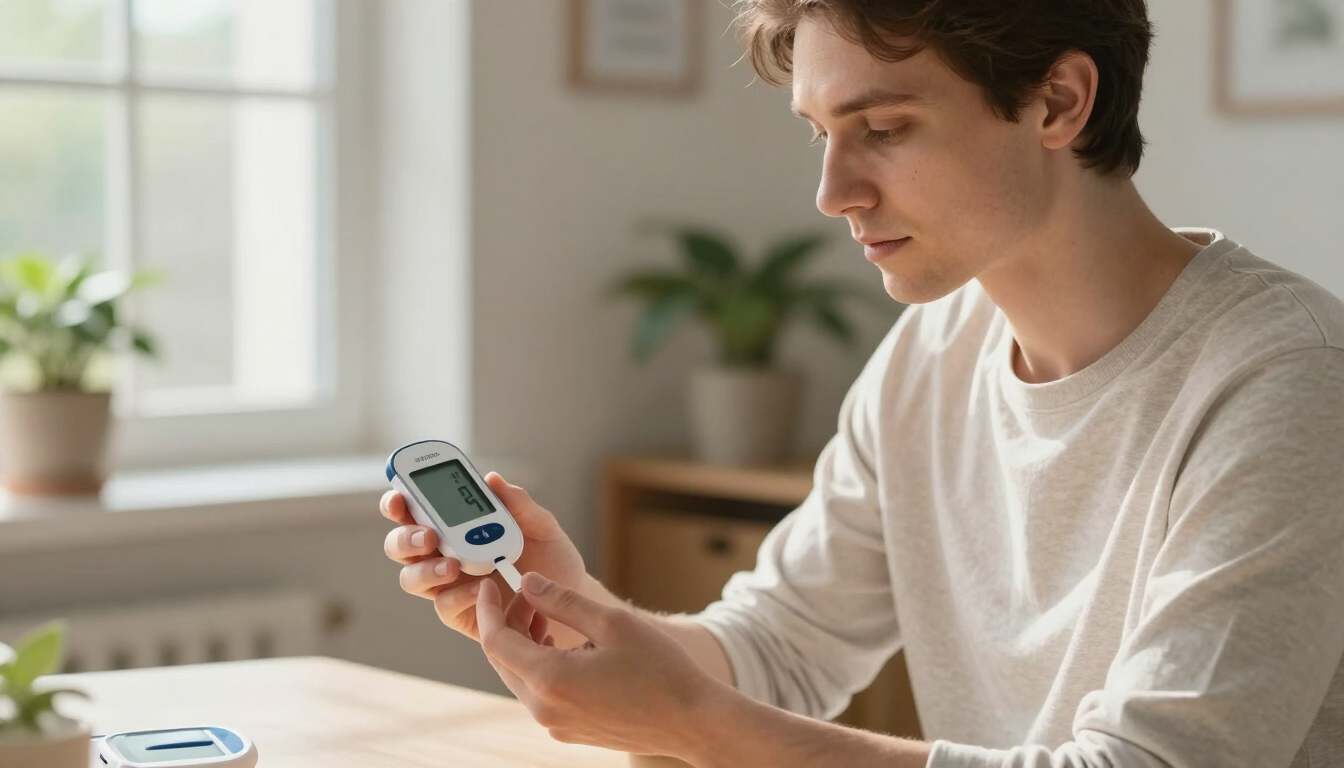
5 Ways Diabetes Can Cause High Blood Pressure
Can diabetes cause high blood pressure? Yes. Diabetes can raise blood pressure through insulin resistance, blood-vessel damage, kidney disease, and related weight or cholesterol changes. The two conditions often occur together and increase the risk of heart attack, stroke, vision loss, and kidney problems, so regular monitoring and medical care matter.

How are diabetes and high blood pressure connected?
Diabetes and hypertension, the medical term for high blood pressure, are separate conditions with overlapping causes and complications. Having one can make the other more likely.
High blood sugar can gradually affect the lining of blood vessels. Damaged or less flexible vessels may make it harder for blood to circulate normally, causing pressure inside the arteries to rise. At the same time, high blood pressure can damage small blood vessels in the kidneys, eyes, heart, and brain.
This creates a cycle: diabetes may contribute to hypertension, while uncontrolled hypertension can make diabetes-related complications more serious. The connection applies to both type 1 and type 2 diabetes, although the underlying causes may differ.
What causes high blood pressure in people with diabetes?
Several factors can contribute:
- Insulin resistance: In type 2 diabetes, the body does not respond effectively to insulin. Insulin resistance may affect how the kidneys manage sodium and fluid, which can raise blood pressure.
- Kidney changes: The kidneys help regulate fluid balance and blood pressure. Diabetes can injure kidney filters, making hypertension more likely.
- Blood-vessel damage: Persistent high blood sugar can affect arteries and reduce their flexibility.
- Shared risk factors: Excess weight, inactivity, sleep apnea, smoking, and an eating pattern high in sodium can increase the likelihood of both conditions.
- Age and family history: Risk generally increases with age and may be higher when close relatives have diabetes or hypertension.
A single high reading does not automatically mean you have chronic high blood pressure. Diagnosis usually requires repeated readings or additional monitoring.
Does diabetes cause high blood pressure directly?
Diabetes does not cause high blood pressure in every person, and the relationship is not always direct. However, diabetes-related kidney disease, vascular changes, insulin resistance, and shared lifestyle factors can substantially increase hypertension risk.
Some medicines, stress, illness, pain, caffeine, or an incorrect cuff size can also temporarily raise a reading. Your healthcare professional can interpret the result alongside your medical history, medications, kidney function, and other measurements.
What are the warning signs?
High blood pressure often has no noticeable symptoms , even when it is harming the body. That is why routine checks are important for people with diabetes.
Very high blood pressure may sometimes cause severe headache, shortness of breath, chest pain, confusion, weakness, vision changes, or other concerning symptoms. Seek urgent medical help for severe or sudden symptoms—especially chest pain, trouble breathing, one-sided weakness, or difficulty speaking.
Diabetes can also be silent for years. Do not wait for symptoms before checking blood sugar, blood pressure, cholesterol, kidney health, and eye health as recommended by your care team.
How can you lower blood pressure with diabetes?
The best plan depends on your health history, but common steps include:
- Monitor consistently: Use a validated home blood pressure monitor if your clinician recommends one. Record the date, time, reading, and any relevant symptoms.
- Take prescribed medicines correctly: Do not stop blood pressure, diabetes, or cholesterol medicine without speaking with your prescriber.
- Choose heart-healthy foods: Emphasize vegetables, fruit, beans, whole grains, lean proteins, and lower-sodium options. Ask a clinician or dietitian what fits your needs.
- Stay active safely: Regular movement can improve blood pressure and blood sugar. Begin gradually if you have been inactive or have complications.
- Avoid tobacco and moderate alcohol: Smoking damages blood vessels, while alcohol can affect blood pressure and glucose.
Weight management, good sleep, stress support, and treatment for sleep apnea may also help. Your clinician may set individualized blood pressure and glucose targets rather than relying on a single general number.

When should you talk with a healthcare professional?
Discuss recurring elevated readings, new symptoms, medication side effects, or concerns about kidney health with your healthcare professional. Bring your home monitor or a written log if possible so readings can be compared with office measurements.
Ask about:
- How often to check blood pressure and blood sugar
- Your personal blood pressure and glucose targets
- Kidney tests, cholesterol testing, and eye examinations
- Whether your medicines affect blood pressure or blood sugar
- Safe exercise, nutrition, and weight-management goals
If you are researching diabetes supplies, you can also review the Products We Buy page. People in Fayetteville and nearby communities can learn more through Areas We Serve . These resources are separate from medical advice and do not replace care from a qualified professional.
Diabetes, blood pressure, and daily monitoring

Keeping a simple record can help reveal patterns. Note whether readings were taken before or after meals, exercise, caffeine, or medication, and use the same process each time. Sit quietly for several minutes, keep your feet on the floor, support your arm, and use the correct cuff size.
Do not make treatment changes based on one reading. Recheck according to your care plan and contact a professional if results remain outside your recommended range.
Frequently asked questions
Can type 2 diabetes cause high blood pressure?
Yes. Type 2 diabetes commonly occurs with insulin resistance, excess weight, kidney changes, and vascular problems that can increase hypertension risk. The conditions should be assessed and managed together.
Can high blood pressure cause diabetes?
High blood pressure does not directly cause diabetes, but both conditions share risk factors such as excess weight, inactivity, and family history. Having hypertension may signal a higher overall cardiometabolic risk.
What blood pressure is dangerous with diabetes?
The right target varies by person, so follow the goal provided by your healthcare professional. A very high reading accompanied by chest pain, shortness of breath, confusion, severe headache, or weakness requires urgent evaluation.
Should people with diabetes check blood pressure at home?
Many people benefit from home monitoring, but ask your care team which device and schedule are appropriate. Accurate technique and a properly sized cuff are essential.
Key takeaways
- Diabetes can contribute to high blood pressure through kidney, blood-vessel, and insulin-related changes.
- Hypertension often has no symptoms, so routine checks are important.
- Monitoring, prescribed treatment, nutritious food, safe activity, and tobacco avoidance can reduce risk.
- Repeated high readings should be discussed with a healthcare professional.
- Seek urgent care for very high readings with serious symptoms.
In short, diabetes can increase the likelihood of high blood pressure, but early monitoring and consistent treatment can lower the risk of complications. If you have diabetes, track readings as advised, attend recommended kidney and cardiovascular screenings, and ask your care team for personal targets. Use this information to prepare questions—not to diagnose or change treatment on your own.
Recent Posts