Can You Have Diabetes and Not Know It?
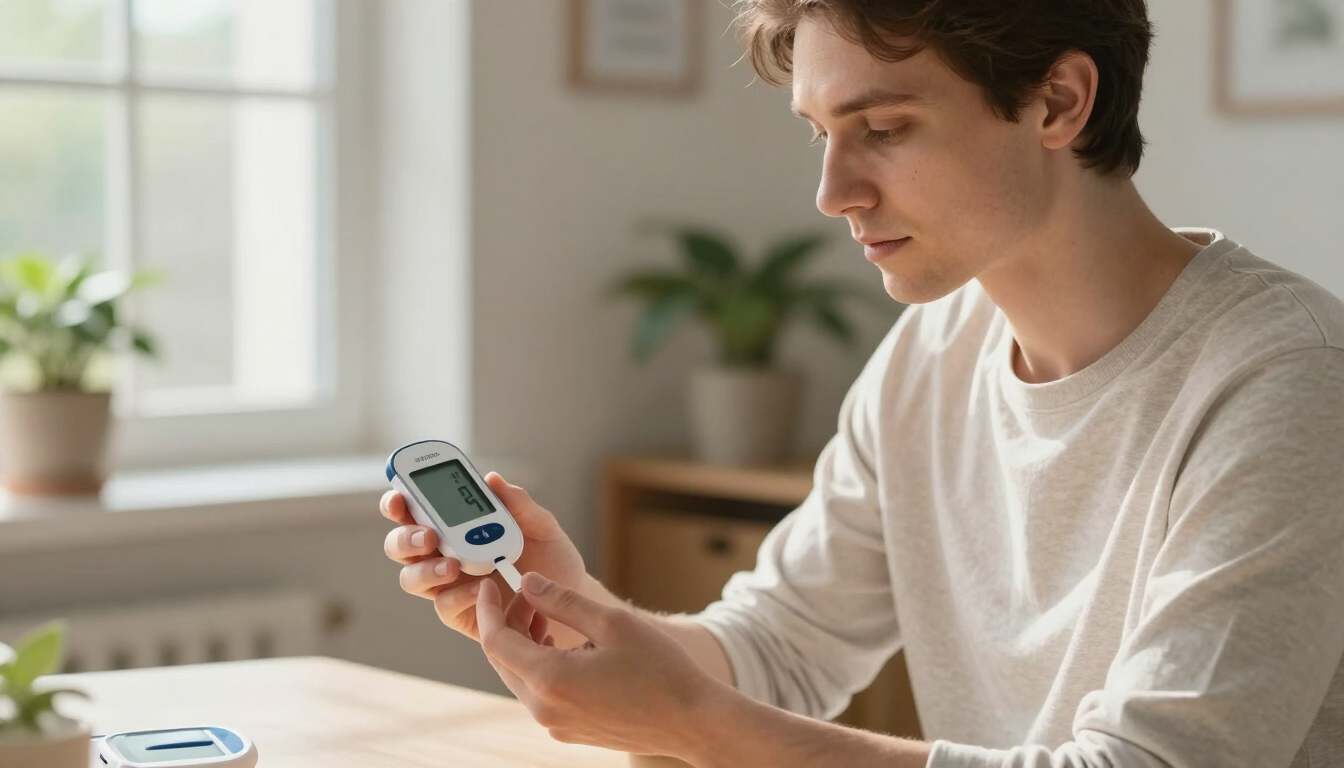
Can you have diabetes and not know it? Yes. Type 2 diabetes and prediabetes may develop gradually with few or no noticeable symptoms. Some adults discover they have high blood sugar during routine blood work. Testing is the only reliable way to know, especially if you have risk factors or persistent warning signs.
Why can diabetes go unnoticed?
Diabetes affects how the body uses glucose, or blood sugar. In type 2 diabetes, the body may gradually become resistant to insulin. Blood sugar can remain elevated for months or years while symptoms are mild enough to overlook.
People may also adapt to gradual changes. Feeling tired, thirsty, or needing the bathroom more often can seem like stress, aging, a busy schedule, or another everyday issue. That is why routine screening matters, even when you feel well.
Prediabetes often has no clear symptoms. Without lifestyle changes or medical guidance, it can progress to type 2 diabetes. Early detection gives you more time to discuss nutrition, activity, medication, and monitoring with a qualified healthcare professional.
What are the early signs of diabetes?
Possible diabetes symptoms include:
- Increased thirst or a dry mouth
- Frequent urination, particularly at night
- Unusual tiredness or low energy
- Blurry vision
- Slow-healing cuts or recurring infections
- Tingling or numbness in the hands or feet
- Unexplained weight loss or increased hunger
These signs do not prove that you have diabetes. Other conditions, medications, dehydration, and sleep problems can cause similar changes. However, persistent or worsening symptoms deserve a conversation with a healthcare professional.
Who is more likely to have undiagnosed diabetes?
Your risk may be higher if you have one or more of these factors:
- A parent, sibling, or child with type 2 diabetes
- Overweight or obesity, especially with limited physical activity
- High blood pressure or abnormal cholesterol levels
- A history of gestational diabetes or polycystic ovary syndrome
- Previous blood sugar results in the prediabetes range
- Increasing age, although diabetes can affect younger adults too
Risk factors do not determine your diagnosis. Adults without obvious risk factors can still develop diabetes, so screening should be based on your overall health history and a clinician’s recommendation.
How do doctors test for diabetes?
A healthcare professional may use one or more blood tests:
- A1C test: Estimates your average blood sugar over roughly the previous two to three months and usually does not require fasting.
- Fasting blood glucose test: Measures blood sugar after you have not eaten for a specified period.
- Oral glucose tolerance test: Measures how your body responds to a glucose drink over time.
- Random blood glucose test: Checks blood sugar at a specific moment and may be useful when symptoms are present.
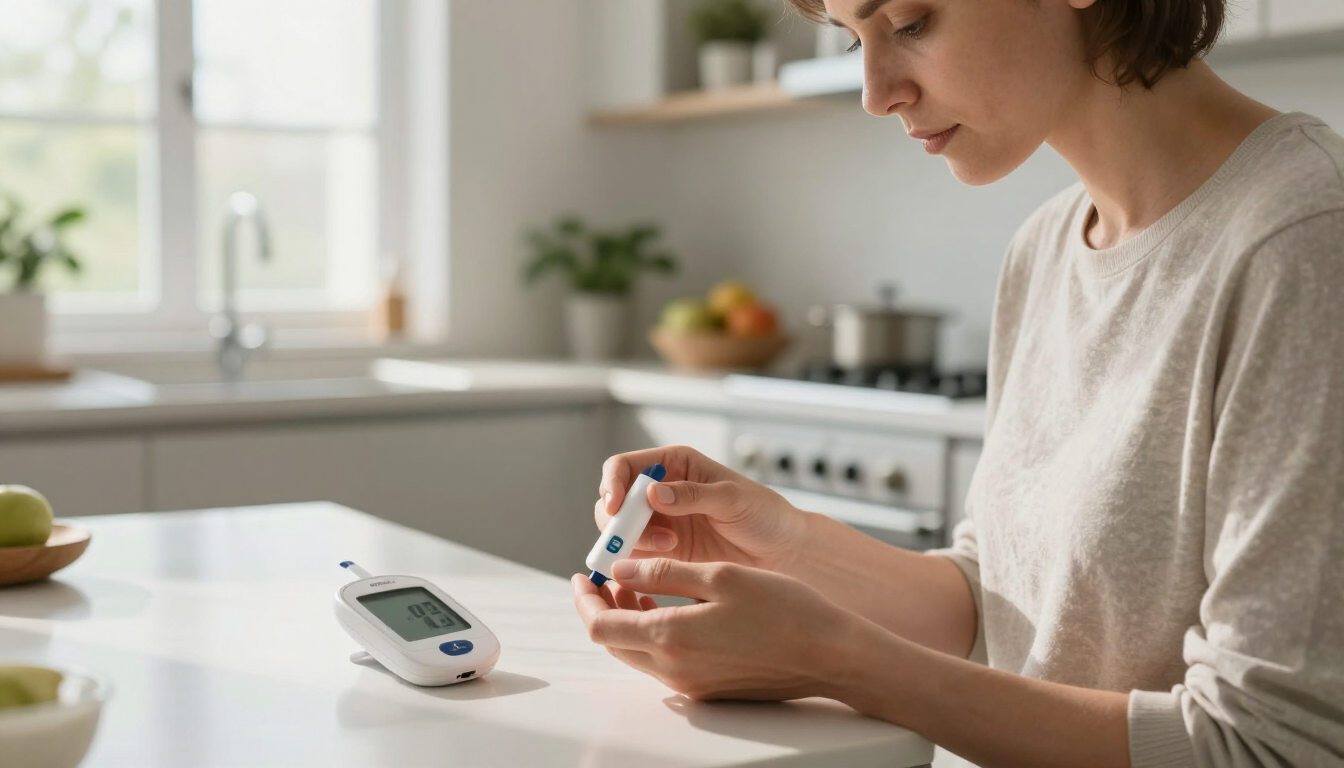
A home glucose meter can show a reading, but it does not replace diagnostic testing. A single result may be affected by food, illness, stress, medication, or testing technique. Your clinician will interpret results and may repeat a test before confirming a diagnosis.

When should you ask for a diabetes screening?
Consider contacting a healthcare professional if you have ongoing symptoms, several risk factors, or concerns about a previous blood sugar result. You can prepare by writing down:
- Your symptoms and when they began
- Family and personal health history
- Current medications and supplements
- Recent changes in weight, thirst, urination, vision, or energy
- Any home glucose readings, including the date and testing conditions
Do not stop medication or make major treatment changes based only on an online article or home reading. Ask a clinician which test is appropriate and how often you should be screened.
When is high blood sugar an emergency?
Seek urgent medical help for severe symptoms such as vomiting, stomach pain, confusion, trouble breathing, extreme weakness, or inability to keep fluids down. Very high blood sugar can become dangerous, particularly when combined with dehydration or an illness.
If you have sudden weakness on one side, trouble speaking, chest pain, or severe shortness of breath, call emergency services immediately. These symptoms may signal a different emergency and should not be attributed to diabetes without evaluation.
What should you do after a diabetes diagnosis?
A diagnosis does not mean you have to manage everything alone. Your healthcare team can explain your results and create a plan suited to your health, schedule, and goals. That plan may include nutrition support, physical activity, medication, blood sugar monitoring, and follow-up appointments.
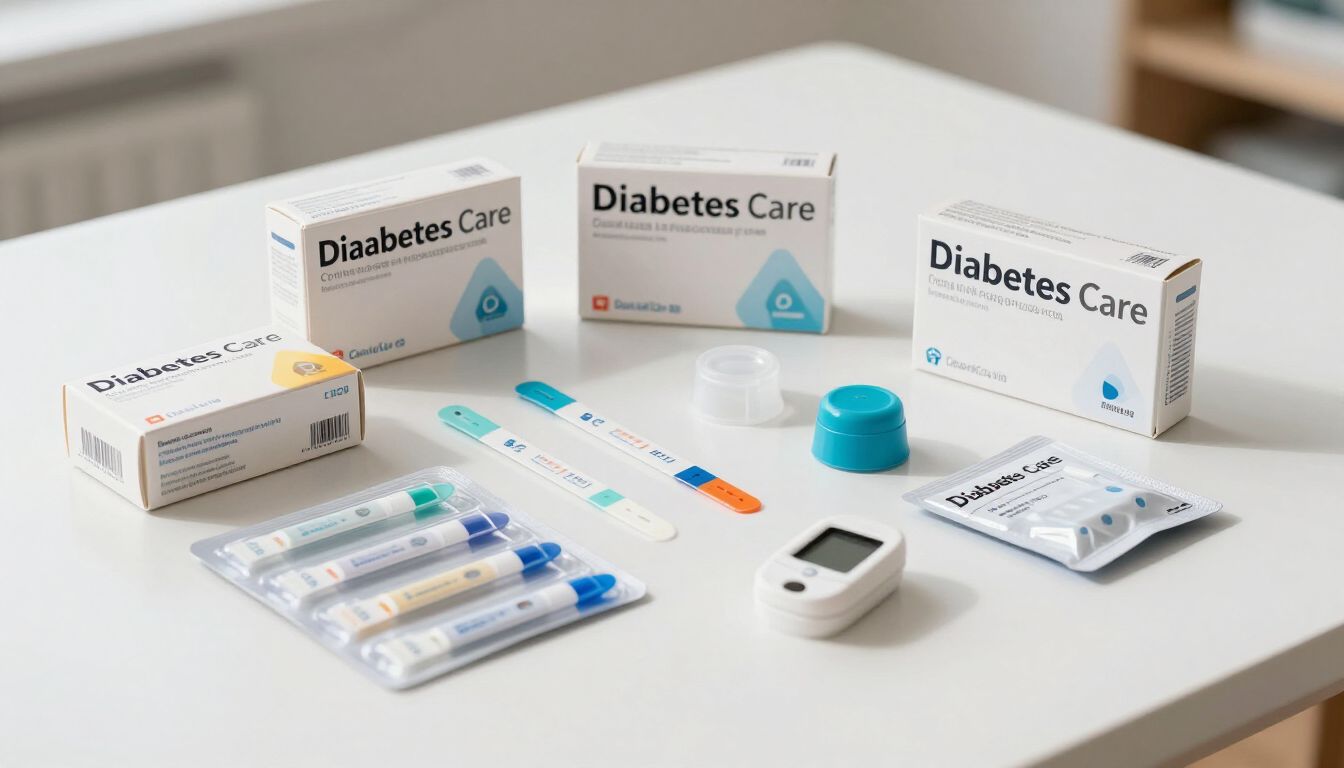
If you use diabetes technology or supplies, learn how each product works and follow storage and expiration guidance. Our Products We Buy page explains which unopened and unexpired diabetic supplies may qualify for purchase. We also provide information about selling Dexcom supplies , CGM sensor supplies , and Omnipod supplies .
Frequently asked questions
Can you have diabetes without symptoms?
Yes. Type 2 diabetes and prediabetes can cause few or no obvious symptoms. Screening is the best way to identify elevated blood sugar early.
Can diabetes appear suddenly?
Symptoms may seem sudden when blood sugar rises quickly, although the underlying condition may have developed over time. Type 1 diabetes can progress more rapidly and requires prompt medical attention.
Can a home glucose meter diagnose diabetes?
No. A meter can help you observe patterns, but a healthcare professional must use appropriate laboratory testing and clinical context to diagnose diabetes.
What is the difference between prediabetes and diabetes?
Prediabetes means blood sugar is higher than the healthy range but not high enough for a diabetes diagnosis. Diabetes means blood sugar meets diagnostic thresholds that require medical evaluation and management.
Key takeaway
Yes, you can have diabetes and not know it, particularly when type 2 diabetes or prediabetes develops gradually. Mild fatigue, thirst, frequent urination, and blurred vision can be clues, but some people have no symptoms at all. Risk factors increase the value of routine screening, while persistent or worsening symptoms should prompt a medical conversation. A home glucose reading can raise a question, but it cannot confirm a diagnosis. Review your concerns, symptoms, and risk factors with a healthcare professional and ask whether blood sugar testing is appropriate for you.
Recent Posts