How to Reverse Diabetes: A Practical Guide
Diabetes cannot usually be “cured” permanently, but some people can achieve remission—especially with type 2 diabetes—by improving insulin sensitivity, reducing excess weight when appropriate, eating consistently, being active, and following medical advice. Type 1 diabetes requires lifelong insulin. Never stop medication or make major changes without your healthcare professional.

What does it mean to reverse diabetes?
“Reverse diabetes” is an informal phrase. Clinicians usually use remission to describe type 2 diabetes that is below the diabetes range without glucose-lowering medication for a sustained period. Remission is not the same as a permanent cure: blood sugar can rise again, so regular monitoring remains important.
The answer depends on the type of diabetes:
- Type 1 diabetes: The immune system destroys insulin-producing cells. Current treatment requires insulin, and lifestyle changes support health but do not reverse the condition.
- Type 2 diabetes: Some people can reach remission, particularly when action is taken early. Others can significantly improve blood sugar without reaching remission.
- Prediabetes: Blood sugar is elevated but not yet in the diabetes range. Healthy changes can often prevent or delay type 2 diabetes.
- Gestational diabetes: Blood sugar usually improves after pregnancy, but it increases future type 2 diabetes risk and requires follow-up.
Your diagnosis, medications, age, health history, duration of diabetes, and personal goals all affect what is realistic.
Can you reverse type 2 diabetes?
Some people can put type 2 diabetes into remission, but results vary. Remission is more likely when blood sugar improves early, weight loss is medically appropriate and sustainable, and treatment is personalized. Diabetes may return after weight regain, illness, stress, reduced activity, or changes in insulin production.
A healthcare professional may assess your A1C, fasting glucose, kidney function, blood pressure, cholesterol, medications, and overall risk. Ask what target is appropriate for you rather than comparing your numbers with someone else’s.
If you are in Fayetteville or nearby, managing diabetes may also involve organizing supplies safely. Learn more about products we buy , or review our guides for CGM sensor supplies and Dexcom supplies .
What helps lower blood sugar safely?
The most effective plan is one you can maintain. Ask your care team to help you choose changes that fit your health, schedule, culture, budget, and medications.
1. Build balanced meals
You do not need to eliminate every carbohydrate. Instead, emphasize foods that support steadier blood sugar:
- Non-starchy vegetables, such as leafy greens, peppers, broccoli, and green beans
- Protein sources such as eggs, fish, poultry, beans, tofu, or Greek yogurt
- High-fiber carbohydrates in portions that fit your plan
- Unsaturated fats, including nuts, seeds, avocado, and olive oil
- Water or unsweetened drinks instead of sugary beverages
A registered dietitian can help you plan portions and meals without relying on extreme restriction. If you use insulin or medicines that can cause low blood sugar, changing carbohydrate intake may require medication adjustments.
2. Increase regular movement
Physical activity helps muscles use glucose and can improve insulin sensitivity. Start with an achievable goal, such as a 10-minute walk after a meal, then build gradually toward your clinician’s recommendation. Strength training can also support muscle mass and glucose management.
Check whether exercise is safe for you, particularly if you have heart disease, nerve damage, vision complications, foot problems, or frequent low blood sugar. Wear appropriate footwear and inspect your feet regularly.
3. Pursue weight loss only when appropriate
For people with overweight or obesity and type 2 diabetes, modest weight loss may improve blood sugar. Larger, sustained losses can increase the chance of remission for some people. However, weight is not the only measure of health, and weight-loss advice should never be one-size-fits-all.
A clinician can discuss nutrition support, structured programs, medications, or bariatric surgery when relevant. Avoid unregulated supplements and rapid-diet promises that claim to cure diabetes.
4. Take prescribed medication as directed
Medication is not a failure. It may protect your eyes, kidneys, nerves, heart, and blood vessels while lifestyle changes take effect. Some medicines also support weight management or reduce cardiovascular and kidney risks.
Never stop insulin, metformin, or another prescription suddenly. If your readings improve, contact your prescriber before changing a dose.
5. Track patterns, not isolated readings
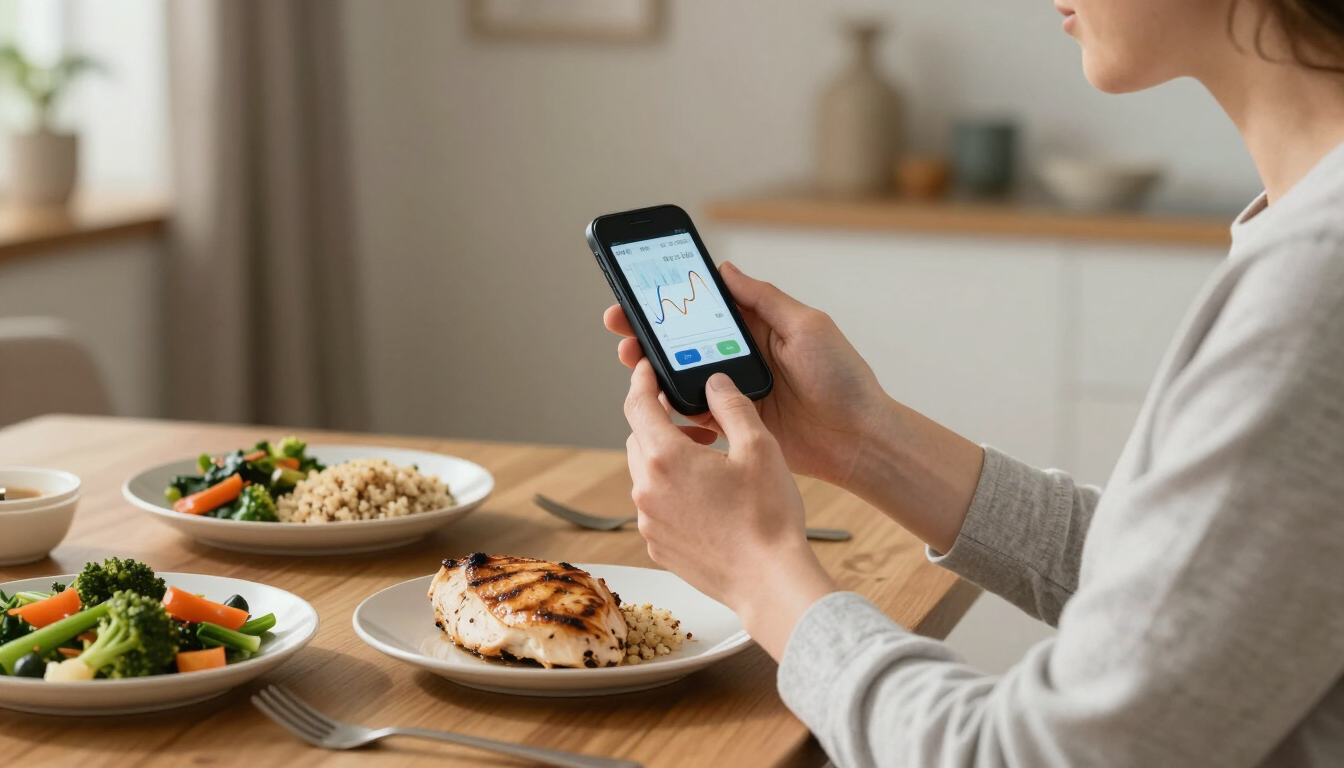
A glucose meter or continuous glucose monitor can reveal how meals, sleep, stress, activity, and medication affect you. Record useful context rather than reacting to a single number. Your healthcare team can interpret trends and decide whether your plan needs adjustment.
How long does it take to reverse diabetes?
There is no universal timeline. Blood sugar can respond within days or weeks after medication, activity, or eating-pattern changes, while A1C reflects approximately the previous two to three months. Meaningful weight change and remission may take longer and should be medically supervised.
Progress is not always linear. Illness, poor sleep, emotional stress, hormonal changes, steroid medication, and other conditions can temporarily raise glucose. A setback does not mean your effort failed; it is a reason to review the plan.
What blood sugar numbers should you watch?
Targets differ by person. In general, clinicians may use A1C, fasting glucose, after-meal readings, and time-in-range data to evaluate control. Your target may change during pregnancy, older age, kidney disease, or if you experience hypoglycemia.
Do not chase a “normal” number at the expense of dangerous lows. Ask your healthcare team:
- What are my personal glucose and A1C targets?
- When should I check my blood sugar?
- What should I do for a low or high reading?
- Which symptoms require urgent help?
- When should we review my medications?
What should you avoid when trying to reverse diabetes?
Be cautious of programs that promise a guaranteed cure, demand expensive supplements, or tell everyone to stop medication. Detoxes, prolonged fasting, and very-low-carbohydrate diets can be unsafe for people taking insulin or certain diabetes medicines.
Also avoid ignoring symptoms because a home reading looks better. Diabetes management includes preventive care, including blood pressure checks, cholesterol management, kidney testing, eye examinations, dental care, and foot checks.
When should you call a healthcare professional?
Contact your care team if readings remain above your agreed target, you have repeated lows, medication causes side effects, or you are unsure how to respond to illness. Seek urgent medical attention for confusion, fainting, severe weakness, trouble breathing, persistent vomiting, or signs of diabetic ketoacidosis such as abdominal pain and fruity-smelling breath.
If you use insulin and cannot keep fluids down, get medical advice promptly. During illness, do not assume that eating less means you should automatically stop insulin.
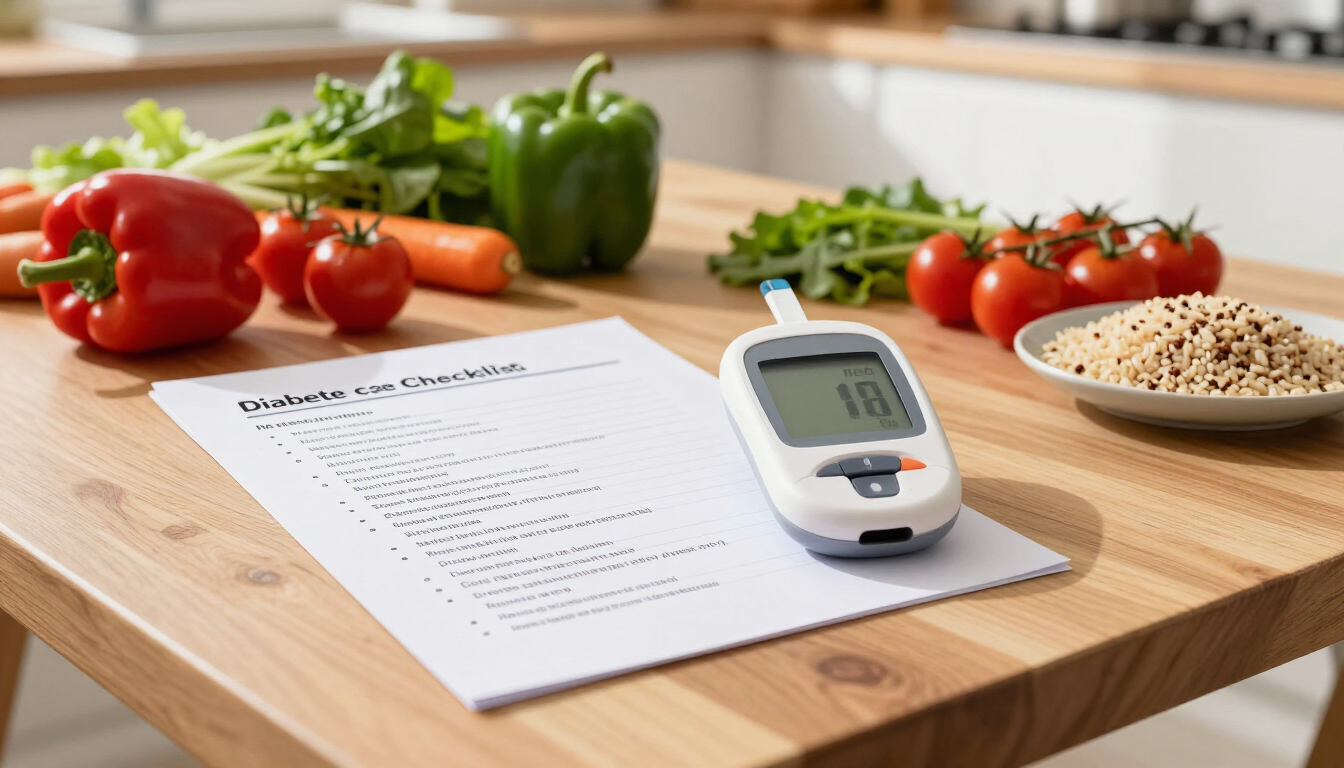
A practical diabetes-remission checklist
Use this checklist to prepare for a productive appointment:
- Write down your current medicines, doses, supplements, and glucose targets.
- Bring recent glucose data or a food-and-activity log.
- Ask whether your diagnosis and treatment plan should be reviewed.
- Discuss a realistic movement and nutrition goal for the next few weeks.
- Schedule follow-up testing instead of relying on symptoms alone.
Frequently asked questions
Can changing my diet cure diabetes?
Diet changes can improve blood sugar and may contribute to type 2 diabetes remission, but they do not guarantee a cure. Type 1 diabetes still requires insulin. Work with a qualified professional before making major changes.
Can walking reverse diabetes?
Walking can lower glucose and improve insulin sensitivity, especially when done consistently. It is one useful part of a broader plan, not a standalone cure.
Is diabetes remission permanent?
No. Remission can last for years, but diabetes may return. Continued monitoring, preventive care, and sustainable habits are important.
Can I stop taking diabetes medicine if I feel better?
No. Feeling better does not show that medication is no longer needed. Only your prescriber should change your treatment plan.
The next step toward better blood sugar control
You may be able to improve type 2 diabetes substantially, and some people achieve remission, but “reverse diabetes” does not mean a guaranteed permanent cure. Start with a professional review of your diagnosis, medications, glucose patterns, eating habits, activity, and health risks. Choose one sustainable change—such as a short post-meal walk or a balanced meal plan—then track progress and follow up. Keep monitoring even when numbers improve, because early support can prevent complications and help you respond quickly if diabetes returns.
Recent Posts