
Are Diabetes Fatal? (5 Management Risks to Know in 2026)
Diabetes is not typically fatal if managed correctly, but uncontrolled high blood sugar can lead to life-threatening complications like ketoacidosis, heart disease, and kidney failure. With modern medical treatments, consistent monitoring, and lifestyle adjustments, most individuals living with diabetes lead full, healthy lives for many years.
Are diabetes fatal if left untreated?
When people ask, "Are diabetes fatal?" the answer is nuanced. While diabetes itself is a chronic metabolic condition rather than an immediate death sentence, its complications can be lethal if the condition is ignored or poorly managed. The primary danger lies in how the body handles glucose. Without enough insulin or when the body cannot use it effectively, blood sugar levels rise to dangerous heights. This can lead to acute emergencies that require immediate hospitalization.
In the long term, chronically high blood sugar acts like a slow-moving toxin to the body's vascular system. It damages the lining of the blood vessels, leading to a cascade of organ failures. In Fayetteville, NC, many residents struggle with accessing consistent care, which is why understanding the stakes is so vital. Untreated diabetes is a leading cause of death globally, but it is important to remember that these fatalities are largely preventable through modern science and proactive self-care.
Maintaining a supply of reliable tools is the first step in prevention. If you find yourself with extra, unexpired tools, knowing products we buy can help others in the community gain access to the resources they need. Management is the bridge between a dangerous diagnosis and a long, vibrant life.

Understanding the Acute Risks of High Blood Sugar
There are two primary acute conditions where diabetes becomes immediately life-threatening. These require emergency medical intervention and are the most direct answer to the concern of whether the condition can be fatal in the short term.
- Diabetic Ketoacidosis (DKA): Most common in Type 1 diabetes, DKA occurs when the body starts breaking down fat for energy at a rate that is much too fast. This produces ketones, which make the blood acidic.
- Hyperosmolar Hyperglycemic State (HHS): Typically seen in Type 2 diabetes, this involves extremely high blood sugar levels without the presence of significant ketones, leading to severe dehydration and potential coma.
- Severe Hypoglycemia: Ironically, the treatment for diabetes (insulin) can also be fatal if it causes blood sugar to drop too low, leading to seizures or loss of consciousness.
- Infections: High sugar levels weaken the immune system, making common infections like pneumonia or foot ulcers potentially septic and fatal.
Avoiding these emergencies requires a dedicated routine. By consistently checking levels with high-quality supplies, patients in areas we serve like Hope Mills and Spring Lake can catch spikes before they become crises. The availability of Sell Your CGM Sensor Supplies programs also ensures that the marketplace for these life-saving devices remains fluid and accessible for those who need them most.
What are the long-term complications of diabetes?
While acute emergencies are terrifying, the majority of diabetes-related fatalities come from long-term damage to the body. When blood glucose remains elevated over months and years, it begins to degrade the structural integrity of the heart, kidneys, and nerves. This is often referred to as the "silent" danger of the condition because the damage happens internally without immediate pain or symptoms.
Cardiovascular disease is the leading cause of death among people with diabetes. High glucose levels contribute to the hardening of the arteries (atherosclerosis), which significantly increases the risk of heart attacks and strokes. In fact, adults with diabetes are nearly twice as likely to die from heart disease as those without it. This underscores the importance of viewing diabetes management not just as a sugar problem, but as a total vascular health priority.
Kidney failure, known as diabetic nephropathy, is another major concern. The kidneys are filled with tiny blood vessels that filter waste. High sugar levels scar these vessels, eventually leading to a total loss of kidney function. Once the kidneys fail, the patient requires dialysis or a transplant to survive. This long-term progression is why many health experts emphasize that while the condition is manageable, the risks are high enough to warrant serious, daily attention to diet, exercise, and medication adherence.
The Role of Modern Technology in Longevity
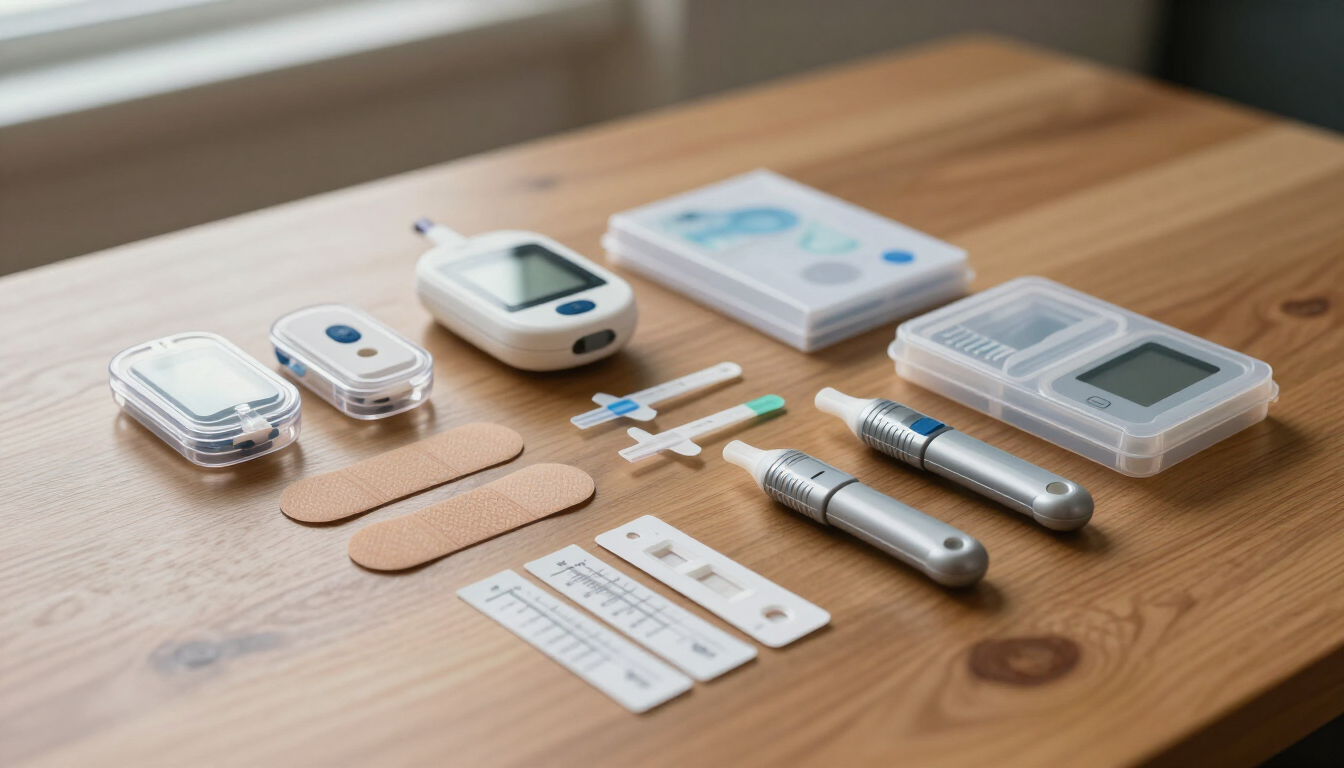
We live in an era where technology has drastically changed the outlook for diabetic patients. The question "Are diabetes fatal?" had a much grimmer answer fifty years ago. Today, Continuous Glucose Monitors (CGMs) and advanced insulin delivery systems have revolutionized how we track and respond to glucose fluctuations. These devices provide real-time data, allowing users to see exactly how a meal or a walk affects their levels.
Benefits of using modern diabetic technology include:
- Real-time Alerts: Sensors notify users when their sugar is trending too high or too low, preventing emergencies.
- Data Trends: Doctors can look at weeks of data to fine-tune medication dosages precisely.
- Discreet Management: Modern pumps and sensors are small and can be worn under clothing easily.
- Reduced Finger Pricks: CGMs significantly reduce the need for painful manual testing throughout the day.
- Improved A1c: Consistent monitoring is proven to lower long-term average blood sugar levels.
For residents in the Fayetteville area, staying updated with the latest tech is easier than ever. If you have upgraded your equipment and have leftover items, you can sell your Dexcom supplies to ensure they don't go to waste. This cycle of supply and demand helps keep the latest technology circulating within the community, providing more people with the tools necessary to stay out of the "fatal" category of the disease.
Can lifestyle changes truly prevent diabetic fatalities?
Diet and exercise are often touted as the cornerstones of health, but for someone with diabetes, they are literal life-savers. While medication is essential for many, lifestyle changes can significantly reduce the strain on the body’s organs. By maintaining a healthy weight and staying active, Type 2 diabetics can sometimes achieve remission, where their blood sugar levels return to normal ranges without the need for intensive medication.
Physical activity makes the body more sensitive to insulin, meaning the insulin you do have works more effectively. Even a simple 30-minute walk after dinner can help clear glucose from the bloodstream, preventing the spikes that lead to long-term vessel damage. Nutrition also plays a massive role; focusing on fiber-rich vegetables and lean proteins helps stabilize energy levels and prevents the roller-coaster effect of high and low sugar.
It is also important to consider the mental health aspect. The stress of managing a chronic condition can be overwhelming, and high stress hormones like cortisol can actually raise blood sugar. A holistic approach that includes stress management, regular sleep, and community support is essential for long-term survival. In North Carolina, local support groups and healthcare providers offer resources to help navigate the emotional toll of the disease, ensuring that patients feel empowered rather than defeated.
How to Manage Diabetes Effectively in Fayetteville, NC
Living in Fayetteville, Raeford, or Eastover means having access to a range of medical professionals and local services dedicated to endocrine health. The key to effective management is consistency. This means attending all scheduled check-ups, even when you feel fine, and ensuring that you always have a back-stock of necessary supplies like test strips and sensors.
Strategic steps for local management:
- Build a Care Team: Work with a local endocrinologist, a nutritionist, and a primary care doctor who understand your specific health history.
- Monitor Regularly: Never let your supplies run out; use local resources to keep your inventory current and fresh.
- Stay Educated: Follow local health workshops or online resources to stay informed about new treatment options and research.
- Utilize Local Support: Connect with neighbors who are also managing the condition to share tips and encouragement.
- Maintain Your Tools: Ensure your meters and sensors are unexpired and calibrated for the most accurate readings possible.
At our Fayetteville location, we pride ourselves on being a part of this local health ecosystem. By providing a respectful, private process for those looking to sell their extra supplies, we help maintain a balance of resources in the community. Whether you are in Spring Lake or Hope Mills, having a plan for your supplies is a smart part of your overall management strategy.
Summary of Diabetes Risk and Management
To summarize, diabetes is not an inevitably fatal disease, but it is a condition that demands respect and consistent action. The risks of fatality come from acute emergencies like DKA or chronic issues like heart and kidney disease. However, with the advent of CGMs, better insulin, and a deeper understanding of nutrition, the life expectancy for someone with diabetes is closer to the general population than ever before.
Core Takeaways for a Healthy Life:
- Early Intervention: Catching symptoms early prevents long-term organ damage.
- Technological Support: Utilize sensors and pumps to maintain tight control over glucose levels.
- Consistent Monitoring: Regular testing is the only way to truly know your status.
- Lifestyle Balance: Diet and exercise are as important as medication for many.
- Supply Management: Ensure you have the right tools, and responsibly handle any surplus supplies.
By taking these steps, you transform diabetes from a frightening diagnosis into a manageable part of your daily life. Stay proactive, stay informed, and lean on your local Fayetteville community for the support and resources you need to thrive.
Recent Posts