Are Diabetes and Cholesterol Related? (5 Key Facts)
Yes, diabetes and cholesterol are closely related through a condition known as diabetic dyslipidemia . High blood sugar levels frequently lower "good" HDL cholesterol while raising "bad" LDL cholesterol and triglycerides. This combination significantly increases the risk of heart disease and stroke, even when blood sugar is well-managed.
Why are diabetes and cholesterol related?
The relationship between these two conditions is deeply rooted in the way your body processes energy. When you have diabetes, particularly Type 2, your body either doesn't produce enough insulin or cannot use it effectively. This state, known as insulin resistance, does more than just cause blood sugar spikes; it fundamentally alters your lipid metabolism. Insulin usually helps regulate the breakdown of fats. When insulin is not functioning correctly, your liver produces more Very Low-Density Lipoprotein (VLDL), which eventually turns into the harmful LDL cholesterol that clogs arteries.
Furthermore, high glucose levels in the bloodstream can lead to a process called glycation. This is where glucose molecules attach to LDL particles, making them smaller and denser. These "small, dense LDL" particles are far more dangerous because they can easily slip into the linings of your blood vessels, leading to plaque buildup. For residents in the Fayetteville area dealing with these metabolic challenges, understanding this link is the first step toward comprehensive cardiovascular health.

Understanding the link between insulin and lipids
To grasp why your numbers might be off, you have to look at the liver's role. The liver acts as a chemical processing plant. In a healthy body, insulin signals the liver to store fat or release it as needed. However, in the presence of insulin resistance, the liver receives "noisy" signals. It begins to overproduce triglycerides—a type of fat found in your blood.
High triglycerides are a hallmark of diabetes and are often the first sign that cholesterol issues are brewing. When triglycerides are high, the body also tends to speed up the clearance of HDL (high-density lipoprotein), the "good" cholesterol that helps scrub your arteries clean. This creates a dangerous double-whammy: you have less of the "cleaner" and more of the "gunk" building up in your pipes. This metabolic environment makes it much easier for cardiovascular disease to take root, making it vital to monitor both your A1C and your lipid panel simultaneously.
How does high blood sugar affect your arteries?
High blood sugar acts like sandpaper on the inner lining of your arteries. Over time, chronic hyperglycemia causes inflammation and damage to the endothelium, which is the delicate inner layer of your blood vessels. When this layer is damaged, it becomes "sticky," allowing cholesterol particles to adhere to the walls more easily. This is why people with diabetes are at a significantly higher risk for atherosclerosis, or hardening of the arteries.
It is not just about the total amount of cholesterol in your system; it is about the quality of that cholesterol. In patients with diabetes, the LDL tends to stay in the bloodstream longer, giving it more time to oxidize and become trapped in the arterial walls. This process is often silent, meaning you might feel fine while your cardiovascular system is under significant stress. Regular testing and proactive management are the only ways to stay ahead of these changes.
Diabetic dyslipidemia explained
Medical professionals use the term "diabetic dyslipidemia" to describe the specific trio of lipid issues that commonly affect those with high blood sugar. If you are managing diabetes in North Carolina, you should look for these three markers on your lab results:
- Elevated Triglycerides: High levels of blood fats that indicate insulin resistance.
- Low HDL Cholesterol: A decrease in the "good" fats that protect the heart.
- Increased Small Dense LDL: A more dangerous version of "bad" cholesterol that promotes plaque.
When these three factors coincide, the risk of a cardiovascular event increases exponentially. Even if your "Total Cholesterol" number looks average, the presence of diabetes means that the composition of that cholesterol is likely more aggressive toward your heart health. This is why doctors often set much lower LDL targets for diabetic patients than they do for the general population.
Can lifestyle changes improve both numbers?
Absolutely. The good news is that because diabetes and cholesterol are biologically linked, the steps you take to improve one often yield benefits for the other. Lifestyle modifications are the cornerstone of managing diabetic dyslipidemia. By focusing on whole foods and consistent movement, you can improve insulin sensitivity, which naturally helps the liver regulate cholesterol production more effectively.
In Fayetteville, we are fortunate to have access to great outdoor spaces like the Cape Fear River Trail or the botanical gardens, which provide excellent opportunities for the 150 minutes of moderate activity recommended weekly. Exercise helps your muscles use glucose for energy without needing as much insulin, and it is one of the few ways to naturally raise your "good" HDL cholesterol levels.
Managing your diabetic supplies in Fayetteville
Managing these two conditions often requires a robust kit of supplies, from CGM sensor supplies to insulin pumps. Sometimes, your doctor might change your treatment plan—perhaps switching you from a traditional meter to a Dexcom or Omnipod system—leaving you with unexpired supplies you no longer need. For those in Fayetteville, Raeford, or Hope Mills, having excess supplies doesn't mean they have to go to waste.
If you find yourself with extra, unopened, and unexpired Dexcom supplies or other approved diabetic items, we provide a private and respectful way to turn those supplies into cash. This local service helps neighbors while ensuring that usable supplies don't end up in the trash. We understand that managing health is expensive, and we aim to make the process of selling your extra Omnipod supplies as simple as a local pickup.
What are the best foods for both conditions?
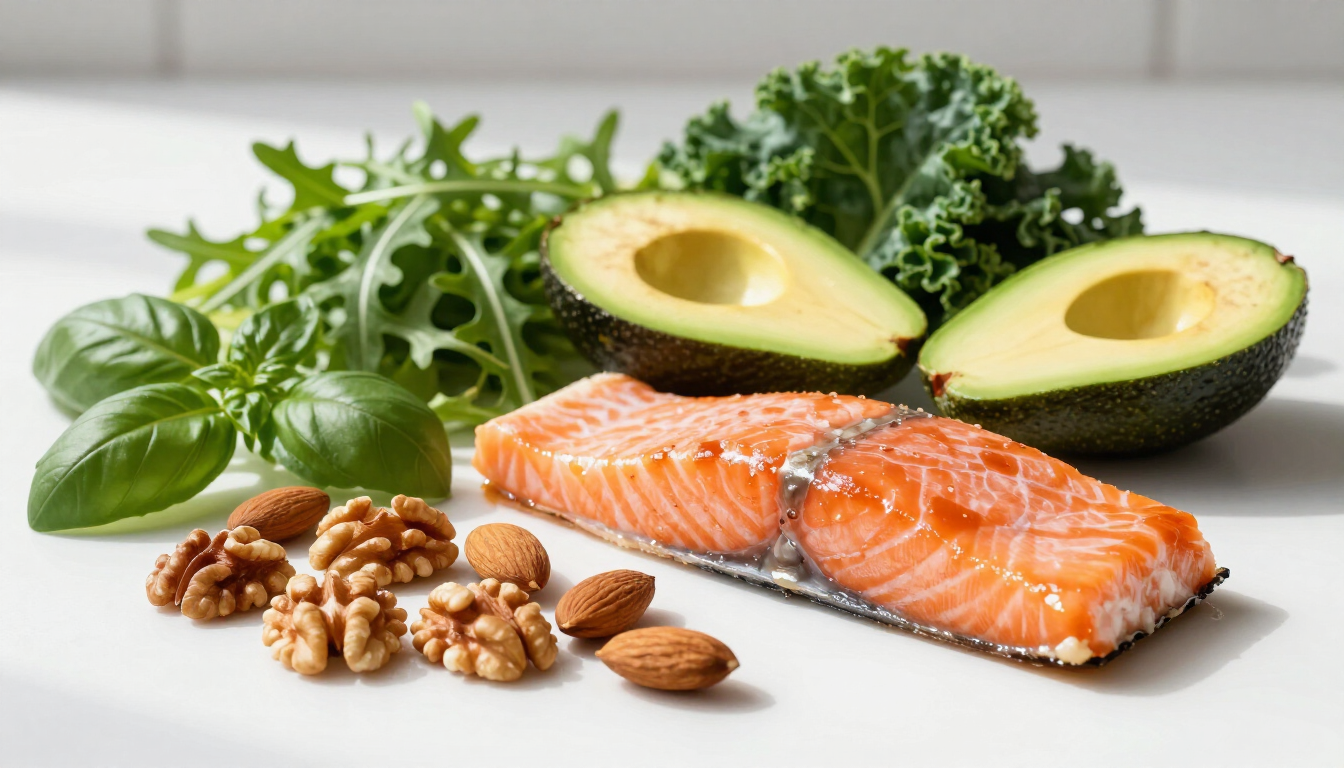
Nutrition is your most powerful tool in the fight against diabetic dyslipidemia. The goal is to choose foods that have a low glycemic index to keep blood sugar stable, while also being rich in heart-healthy fats to improve your lipid profile. This "dual-purpose" eating plan focuses on fiber and unsaturated fats.
- Soluble Fiber: Found in oats and beans, it helps lower LDL cholesterol.
- Healthy Fats: Avocados and olive oil improve heart health without spiking sugar.
- Fatty Fish: Salmon or mackerel provide Omega-3s that lower triglycerides.
- Leafy Greens: Spinach and kale provide antioxidants to protect artery walls.
Avoiding processed sugars and trans fats is non-negotiable. Trans fats are particularly harmful as they raise LDL and lower HDL simultaneously—exactly what a person with diabetes needs to avoid. By sticking to the perimeter of the grocery store and choosing whole, unprocessed items, you can make a significant dent in both your A1C and your cholesterol levels.
Should you take medication for both?
Many patients wonder if lifestyle changes are enough or if medication is necessary. Because the risk of heart attack is so much higher for those with diabetes, doctors frequently prescribe statins even if cholesterol levels are only slightly elevated. This is a preventive measure to stabilize existing plaque and prevent new buildup. If you are prescribed new medications, it may change how you monitor your health, potentially leading to a surplus of older testing equipment.
If your medical transition leaves you with extra equipment, you can check the products we buy to see if your items qualify for a cash payout. We serve the entire Fayetteville region, including Eastover and Spring Lake, offering a convenient way to clear out your medical cabinet while putting money back in your pocket. Always consult with your healthcare provider before changing any medication or supplement routine, as they can provide a personalized risk assessment based on your unique health history.
Core Takeaways for Managing Diabetes and Cholesterol
Maintaining health when dealing with both diabetes and cholesterol requires a multi-faceted approach. By understanding that these conditions are two sides of the same metabolic coin, you can better advocate for your health during doctor visits. Focus on the following strategies to protect your cardiovascular system:
- Monitor your lipid panel at least once a year alongside your A1C tests.
- Engage in daily physical activity to boost insulin sensitivity and HDL levels.
- Prioritize a high-fiber, Mediterranean-style diet to manage fats and sugars.
- Manage your supplies efficiently and sell unexpired extras locally if your needs change.
- Discuss preventative heart medications with your doctor to lower long-term risk.
In summary, the connection between diabetes and cholesterol is a critical health factor that demands attention. While the risks of diabetic dyslipidemia are serious, they are also manageable through informed lifestyle choices, regular monitoring, and a proactive approach to medical care. If you are a resident of Fayetteville or the surrounding areas and need assistance with your excess diabetic supplies, feel free to contact us for a private and professional local pickup. Your journey to better heart health and blood sugar control starts with understanding the link and taking consistent, small steps toward a healthier lifestyle.
Recent Posts