
Are Diabetes Test Strips Universal? (5 Ways to Check)
No, diabetes test strips are not universal. Each glucose monitor is engineered to work with a specific brand and model of test strip. Using incompatible strips leads to inaccurate readings, error messages, or device failure because the internal sensors and chemical enzymes are calibrated only for specific proprietary strips.
Are diabetes test strips universal?
If you have lived with diabetes for any length of time, you likely have a drawer or a cabinet filled with various supplies. Perhaps you switched insurance providers, changed your primary care physician, or upgraded to a newer blood glucose monitoring system. When you look at those small plastic vials, it is natural to wonder if those strips can be used across different devices. The short answer is a definitive no. While they may look nearly identical to the naked eye—small, thin, and rectangular with a gold or silver contact point—the technology embedded within them is highly specialized.
Manufacturers like Roche (Accu-Chek), LifeScan (OneTouch), and Abbott (FreeStyle) design their meters and strips to be a closed ecosystem. This is partly a business strategy, but it is primarily a medical safety requirement. Each manufacturer uses a specific formulation of enzymes, such as glucose oxidase or glucose dehydrogenase, which reacts with the blood sample to produce an electrical current. The meter then translates this current into a numerical glucose value. Because every brand uses slightly different ratios and types of these chemicals, a meter calibrated for Brand A will not be able to accurately interpret the reaction produced on a strip from Brand B.
Furthermore, the physical dimensions of the strips often vary by fractions of a millimeter. Even if you manage to force a strip into a meter it wasn't designed for, the electrical contacts may not line up. This can result in a "strip not detected" error or, more dangerously, a false reading that could lead to improper insulin dosing. For those managing their health in Fayetteville, NC, understanding this compatibility is the first step toward safe and effective glucose management.
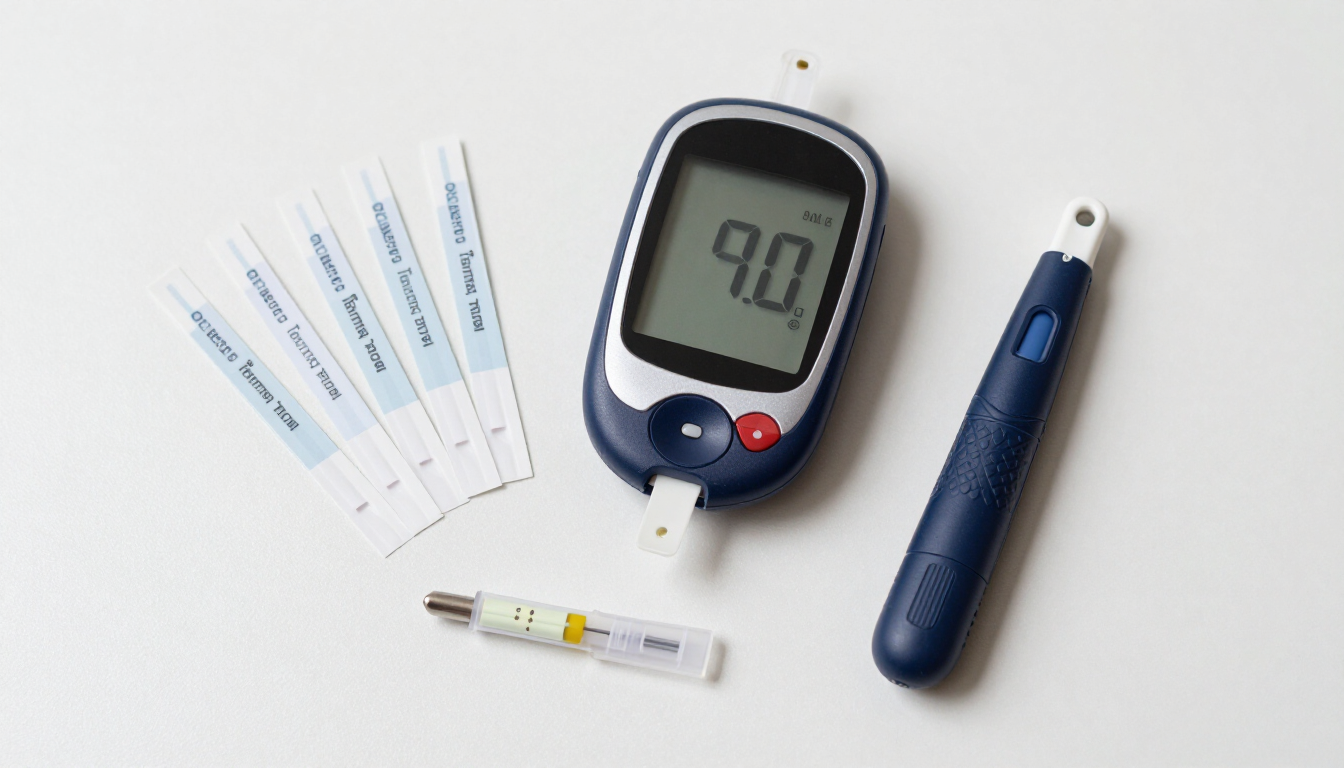
Proprietary technology in glucose monitoring
The reason we don't have a universal standard for test strips, similar to how we have USB-C for electronics, lies in the complexity of biosensors. Glucose monitoring technology has advanced significantly over the last three decades. Early meters required users to manually enter a code found on the vial of strips to calibrate the machine. This was known as "coding" the meter. Modern technology has moved toward "no-coding" systems, where the calibration data is built directly into the strip's circuitry.
This proprietary coding means that even within the same brand, strips may not be interchangeable. For example, an older OneTouch meter might not accept newer OneTouch Verio strips. The hardware in the older meter simply isn't programmed to communicate with the newer strip's chip. This creates a situation where patients often find themselves with surplus supplies that they can no longer use if they upgrade their equipment. If you find yourself in this situation, you can learn more about Products We Buy to see if your extra supplies have value.
Beyond the chemicals, the way the strip draws blood—often called capillary action—varies. Some strips require a larger drop of blood, while others are designed for "under-filling" protection. These mechanical differences ensure that the meter receives the exact volume of blood necessary to provide a clinical-grade result. When you deviate from the manufacturer's pairing, you bypass these safety protocols.
Can you use generic test strips in a brand-name meter?
The market for "generic" or "store-brand" test strips has grown as patients look for ways to save money. While these are often marketed as compatible alternatives, there is a catch. A generic strip is not a "universal" strip; it is a strip specifically engineered to mimic one specific brand-name strip. For instance, a pharmacy might sell a generic strip that explicitly states it is for use with "OneTouch Ultra" meters.
While these generic options are FDA-cleared and generally safe, they are still limited to the specific meter listed on the box. You cannot take a generic strip designed for Brand X and use it in a meter for Brand Y. Additionally, many healthcare providers recommend sticking to the brand-name strips whenever possible, as some generic versions have shown higher variances in accuracy during independent testing. For those who rely on precise readings to manage their CGM sensor supplies or insulin pumps, even a 10% difference in accuracy can be significant.
If you have switched from a traditional meter to a Continuous Glucose Monitor (CGM) like Dexcom, you might have a large stockpile of old strips. Because CGMs use a completely different technology—a filament under the skin rather than a blood-reactive strip—your old strips are effectively obsolete for your daily routine. Many people in the Raeford and Hope Mills areas find themselves with hundreds of dollars worth of these strips that they can no longer use.
3 Factors that determine test strip compatibility
If you are trying to determine if a strip will work with your device, you should look for three specific markers. Understanding these will help you avoid the frustration of buying the wrong supplies or experiencing errors during a test.
- The Enzyme Formula: Strips use different chemical reactions (GOx vs. GDH). Meters are programmed to read only one specific type of reaction.
- Electrode Pattern: The gold or silver lines at the bottom of the strip must match the internal pins of the meter perfectly to complete the circuit.
- Communication Protocol: Newer meters require the strip to send a digital handshake to the device to confirm it is unexpired and genuine.

What should you do with unused, extra diabetic supplies?
It is incredibly common for people with diabetes to end up with more supplies than they need. Changes in prescriptions, upgrading to a Dexcom system , or even a change in testing frequency can lead to a surplus. Many people simply let these expensive supplies expire in their medicine cabinets, which is essentially throwing money away. Because these items are not universal, you cannot simply give them to a friend who uses a different meter brand.
However, there is a better way to manage this surplus. In Fayetteville, NC, and surrounding areas like Eastover and Spring Lake, there is a vibrant secondary market where you can sell your unopened, unexpired supplies. This process helps other people access affordable supplies while putting cash back in your pocket. It is a win-win for the community. We focus on a private, respectful process that respects your time and your privacy.
When looking to sell your supplies, it is important to ensure they are in good condition. Most buyers, including us, look for boxes that are factory-sealed and have at least several months left before the expiration date. Whether it is standard test strips, Omnipod supplies , or CGM sensors, these items are highly valued and should not go to waste. Keeping medical supplies out of landfills and getting them into the hands of those who need them is a core part of our mission.
Selling diabetic supplies in Fayetteville, NC
For residents in the Fayetteville area, you don't have to deal with the hassle of shipping your supplies to a faceless national company. We operate locally, providing a convenient pickup service that covers Fayetteville, Raeford, and beyond. This local approach ensures that you get your cash immediately and can trust the person you are dealing with. We understand that medical supplies are a sensitive topic, and we pride ourselves on a professional, conversational, and private transaction every time.
If you are curious about which areas we cover or how the process works, you can check our Areas We Serve page. We believe in transparency and making the process as simple as possible. No more waiting for checks in the mail or dealing with online marketplace scammers. We meet you in a public, safe location or provide local pickup to make the experience seamless.
Summary of test strip compatibility
In conclusion, diabetes test strips are specialized medical tools, not universal accessories. Each strip is a high-tech biosensor calibrated for a specific device. To ensure your health and safety, always use the exact strip recommended by your meter manufacturer. If you find yourself with extra supplies due to a change in your treatment plan, do not let them go to waste.
Key Takeaways:
- Strips are proprietary: Always match the brand and model of the strip to your meter.
- Accuracy matters: Using mismatched or forced strips can lead to dangerous insulin dosing errors.
- Value exists: Unused, unexpired boxes of strips, Dexcom sensors, and Omnipods have cash value.
- Local options: Residents of Fayetteville, NC, can sell their surplus supplies locally and safely.
If you have extra supplies and want to see how much cash you can get for them today, feel free to visit our Contact Us page. We are here to help you clear out your cabinet and put money back in your wallet while serving the North Carolina diabetic community.
Recent Posts