
Is Diabetes Curable? Understanding Remission in 2026
Currently, there is no permanent medical cure for diabetes. While Type 1 diabetes requires lifelong insulin therapy, Type 2 diabetes can sometimes enter a state called remission. Remission occurs when blood sugar levels stay within a healthy range without the need for glucose-lowering medications or insulin injections.
Is diabetes curable or just manageable?
When people ask, "is diabetes curable," they are often looking for a way to return to a life where they never have to worry about blood sugar again. In medical terms, a "cure" implies that the underlying cause of the disease has been permanently removed, and the condition will never return. For diabetes, we do not have that yet. However, the medical community has shifted its focus toward "remission."
Remission is a significant milestone where your A1c levels drop below 6.5% for at least three months without medication. For many living in Fayetteville, NC, this distinction is vital. While you may not be "cured" in the traditional sense, achieving remission means you can live a life free from daily prescriptions and the immediate threat of high-sugar complications. Management remains the cornerstone of care, involving a mix of monitoring, healthy eating, and physical activity to keep the body functioning optimally despite the underlying metabolic challenges.

Understanding the biology of Type 1 vs Type 2
To understand why a cure remains elusive, we must look at how these two conditions differ biologically. Type 1 diabetes is an autoimmune disease where the body’s immune system attacks and destroys the insulin-producing beta cells in the pancreas. Because the body can no longer produce insulin, patients must manually administer it for the rest of their lives. Research into stem cell therapy and islet cell transplantation offers hope, but these are not yet standard clinical cures.
Type 2 diabetes, conversely, is characterized by insulin resistance. The pancreas still produces insulin, but the body’s cells do not respond to it effectively. Over time, the pancreas may become exhausted and produce less insulin. Because this form is often linked to lifestyle factors and body weight, it is the type most likely to respond to intensive lifestyle interventions, potentially leading to the remission mentioned earlier. Both require careful attention to avoid long-term health risks.
How does Type 2 diabetes remission actually work?
Remission in Type 2 diabetes is largely driven by reducing the fat deposits around the liver and pancreas. When a person carries excess weight, specifically visceral fat, it interferes with the organs' ability to regulate glucose. When significant weight loss occurs—often through intensive low-calorie diets or metabolic surgery—the fat is cleared from these vital organs, allowing the insulin-producing cells to "wake up" and start functioning correctly again.
Studies like the DiRECT trial have shown that nearly half of participants who lost significant weight were able to achieve remission. It is important to note that remission is not guaranteed for everyone, and it requires a long-term commitment to maintaining a healthy weight. If the weight returns, the diabetes often returns with it, which is why doctors avoid the word "cure." The goal for patients in the Fayetteville area is to maintain these lifestyle changes to keep the condition dormant for as long as possible.
Can dietary changes eliminate the need for insulin?
For many individuals with Type 2 diabetes, dietary changes are the most powerful tool available. Transitioning to a diet low in refined carbohydrates and high in fiber can stabilize blood sugar levels remarkably well. By reducing the "glucose load" on the body, the demand for insulin decreases. In some cases, this reduction is so significant that patients, under medical supervision, can reduce or even eliminate their reliance on insulin or other oral medications.
- Focus on non-starchy vegetables like spinach and kale.
- Choose lean proteins such as grilled chicken or fish.
- Incorporate healthy fats found in avocados and nuts.
- Limit sugary beverages and processed snack foods.
- Practice portion control to manage total caloric intake.
While these changes are highly effective for Type 2, they cannot replace insulin for those with Type 1. However, a healthy diet still plays a crucial role for Type 1 patients by making blood sugar levels more predictable and easier to manage with their prescribed insulin doses.
Modern technologies for blood sugar tracking
Technology has revolutionized how we manage diabetes in 2026. Continuous Glucose Monitors (CGMs) and automated insulin delivery systems have reduced the burden of constant finger pricks and manual calculations. These devices provide real-time data, allowing users to see exactly how their food choices and physical activities affect their glucose levels throughout the day and night. For residents in the Fayetteville area, accessing these tools is easier than ever.
Devices like Dexcom sensors and Omnipod pumps offer a level of freedom that was previously unavailable. By providing constant feedback, they help users stay within their target range, which is essential for preventing long-term complications like nerve damage or kidney issues. However, as technology evolves, patients often find themselves with surplus supplies due to changes in their prescriptions or upgrades to newer models. This is where local resources become incredibly valuable for the community.

Why is weight loss the primary driver of remission?
Weight loss is considered the most effective non-surgical "intervention" for reversing the progression of Type 2 diabetes. When you lose weight, you are essentially reducing the metabolic stress on your entire system. The liver, which stores and releases glucose, becomes more sensitive to insulin, and the pancreas can more easily meet the body’s insulin demands. Even a modest weight loss of 5% to 10% of total body weight can lead to significant improvements in glycemic control.
In Fayetteville, NC, and surrounding areas like Raeford and Hope Mills, many local health initiatives focus on this metabolic reset. The key is not just a temporary diet, but a permanent shift in how one interacts with food and movement. By focusing on sustainable weight loss, patients aren't just chasing a number on the scale; they are actively working to push their diabetes into a state of dormancy, effectively reclaiming their health without the constant need for pharmaceutical intervention.
Check out our Products We Buy page if you have extra testing materials. We also help those looking to sell your Dexcom supplies to ensure no life-saving technology goes to waste.
Managing surplus supplies in Fayetteville, NC
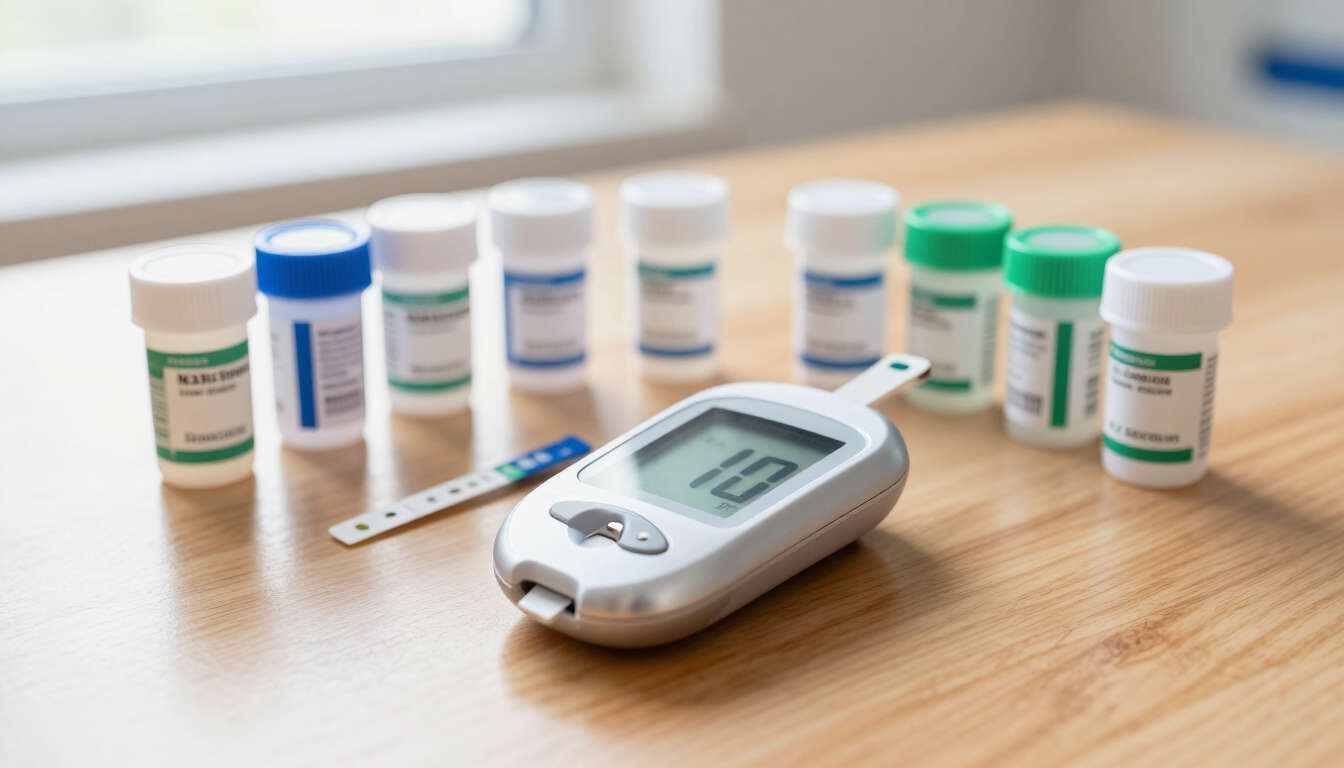
Managing diabetes often involves accumulating a variety of supplies, from test strips to sensors. Sometimes, your doctor might change your treatment plan, or you might find yourself with an oversupply of items like CGM sensors or Omnipod supplies . Instead of letting these expensive and vital resources expire, residents in Fayetteville, NC, have the option to work with local buyers who provide a respectful and private process for selling unexpired items.
We serve the entire Fayetteville region, including Spring Lake and Eastover. If you have unopened, unexpired supplies that you no longer need, you can turn them into cash while helping the local community. We offer local pickup to make the process as easy as possible for you. Our goal is to provide a service that respects your privacy and recognizes the high cost of diabetic care.
What should you do next if you have extra supplies?
If you have realized that your diabetes management plan has left you with extra boxes of strips or sensors, the next step is simple. Verify that the boxes are factory-sealed and have at least several months left before the expiration date. Once you have confirmed the condition of your supplies, you can reach out for a quote. This not only puts cash back in your pocket but also ensures that these materials are utilized by others who need them.
- Check the expiration dates on all boxes.
- Ensure all packaging is unopened and undamaged.
- Visit our Areas We Serve page for pickup locations.
- Contact us directly through our Contact Us page.
- Receive your cash payment through a private, local transaction.
Conclusion
While science has not yet provided a permanent cure for diabetes, the possibility of remission through lifestyle changes and the advancement of management technology offers a bright future. Whether you are managing Type 1 with the latest sensors or working toward Type 2 remission through weight loss, staying informed and proactive is key. For those in Fayetteville, NC, managing the practical side of diabetes—including what to do with extra supplies—is an important part of the journey. By focusing on health, utilizing technology, and responsibly managing resources, you can live a full and vibrant life regardless of your diagnosis. Reach out today to see how we can assist you with your surplus supplies.
Recent Posts