Can Diabetes Go Away on Its Own? What to Know
Diabetes usually does not disappear on its own, but its course depends on the type. Prediabetes may return to a healthy range with lifestyle changes, gestational diabetes often resolves after pregnancy, and type 2 diabetes can sometimes reach remission. Type 1 diabetes requires lifelong insulin and ongoing medical care.
What does “diabetes going away” actually mean?
When people ask, “Can diabetes go away on its own?” they may mean several different things:
- Blood sugar has returned to a typical range.
- A person no longer needs medication.
- Diabetes is in remission.
- A temporary condition, such as gestational diabetes, has ended.
- Prediabetes has improved and no longer meets the threshold for diabetes.
These situations are not identical. A normal glucose reading does not always mean diabetes has been cured. Blood sugar can improve because of medication, weight changes, dietary adjustments, increased activity, or recovery from an illness. Stopping treatment without professional guidance may allow glucose levels to rise again.
“Remission” is generally a more accurate term than “cure” for some cases of type 2 diabetes. It means blood sugar remains below the diabetes range for a period of time without glucose-lowering medication. Remission can end, so regular monitoring remains important.
Can prediabetes go away on its own?
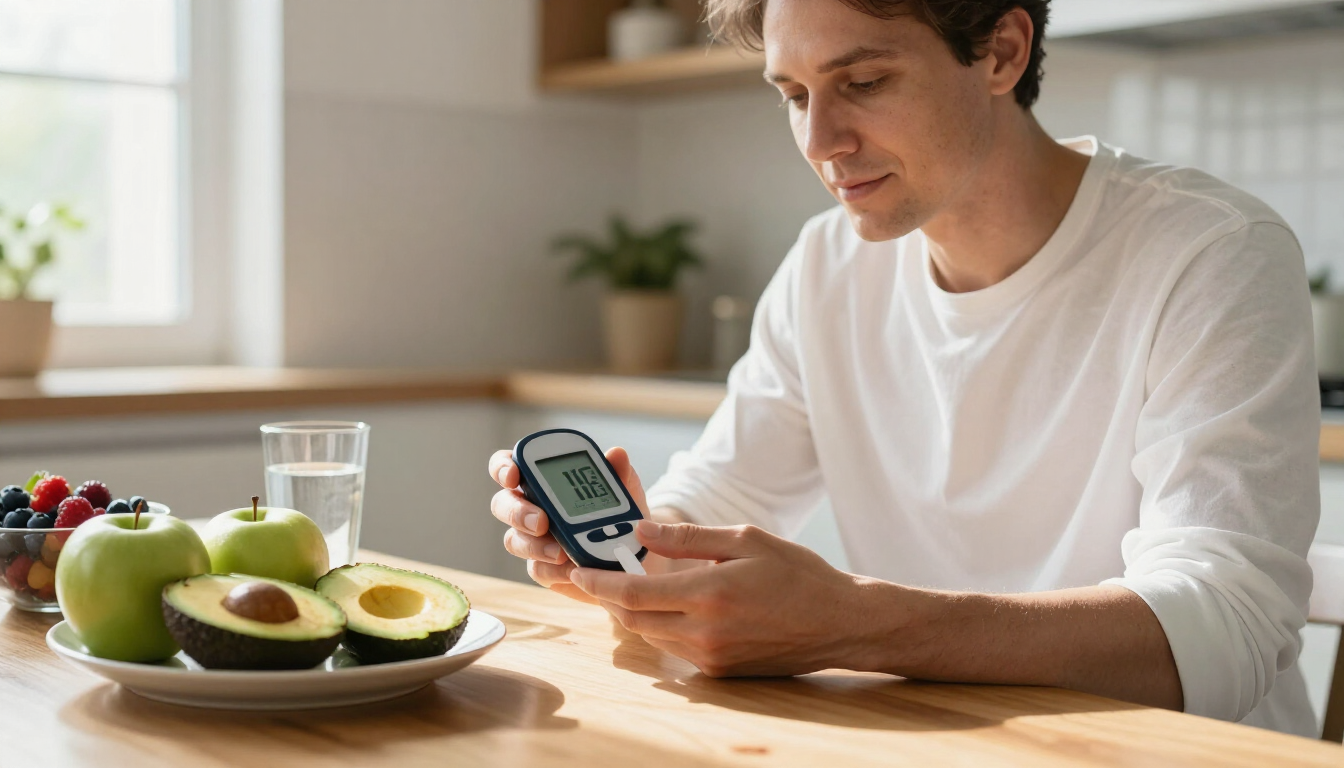
Prediabetes can improve and return to a non-prediabetes range, but it is usually not best described as going away on its own. Improvement often follows consistent changes such as:
- Increasing regular physical activity.
- Choosing more fiber-rich foods and fewer highly refined carbohydrates.
- Reaching or maintaining a weight that supports personal health goals, when appropriate.
- Sleeping adequately and managing stress.
- Attending recommended follow-up testing.
Some people with prediabetes develop type 2 diabetes, while others remain stable or return to a healthier range. Risk depends on factors including family history, age, activity level, body composition, blood pressure, and previous blood sugar results.
Ask a healthcare professional how often to repeat an A1C or other glucose test. Prediabetes is an opportunity to act early, not a reason to wait for symptoms. Many people have no noticeable symptoms while blood sugar is elevated.
Does type 2 diabetes ever go away?
Type 2 diabetes may enter remission for some people, especially when treatment begins early and blood sugar improves substantially. However, it does not typically vanish without a reason. Remission may follow structured nutrition changes, increased activity, weight loss when medically appropriate, medication, metabolic surgery, or a combination of approaches.
Remission is not guaranteed, and it is not the same as permanent cure. Blood sugar may rise again because of weight changes, illness, aging, reduced activity, medication changes, or the natural progression of insulin resistance. Continue recommended checkups even when readings improve.
If you use a glucose meter, continuous glucose monitor, or other diabetes supplies, keep following the monitoring plan provided by your care team. You can also learn about diabetic products we buy , including unopened and unexpired supplies, if you have supplies you no longer need.
Can type 1 diabetes go away on its own?
No. Type 1 diabetes is an autoimmune condition in which the body destroys insulin-producing beta cells. People with type 1 diabetes need insulin to survive, along with glucose monitoring, individualized nutrition guidance, and regular medical care.
A temporary period of lower insulin needs, sometimes called the “honeymoon phase,” can occur soon after diagnosis. This does not mean type 1 diabetes has gone away. Insulin requirements can change, so never stop or adjust insulin without instructions from your diabetes care team.
Symptoms of dangerously high or low blood sugar can become serious quickly. Seek urgent medical advice for vomiting, severe abdominal pain, confusion, difficulty breathing, extreme drowsiness, or suspected diabetic ketoacidosis.
Does gestational diabetes go away after pregnancy?
Gestational diabetes often improves after delivery because pregnancy-related hormones return toward normal. Still, it increases the parent’s future risk of type 2 diabetes. A postpartum glucose test is important, even if blood sugar feels normal.
Your clinician may recommend testing several weeks after delivery and then repeating diabetes screening at regular intervals. Healthy eating, physical activity, and follow-up care can lower future risk. Anyone with a history of gestational diabetes should mention it during future medical visits and pregnancies.
What signs mean diabetes may need immediate care?
Diabetes can sometimes cause few or no symptoms, so testing matters. Possible signs of high blood sugar include:
- Frequent urination or unusual thirst.
- Blurred vision.
- Unexplained weight loss.
- Unusual fatigue.
- Slow-healing cuts or recurring infections.
- Nausea, vomiting, confusion, or difficult breathing, which may indicate an emergency.
Symptoms alone cannot identify the type or severity of diabetes. A clinician may use an A1C test, fasting glucose test, oral glucose tolerance test, random glucose test, or other evaluation.
Call emergency services for severe confusion, fainting, trouble breathing, or a person who cannot safely swallow. For less urgent concerns, contact a healthcare professional promptly rather than waiting for diabetes to resolve by itself.
What should you do if your blood sugar is normal?
Keep the appointment and treatment plan that produced the improvement. Ask whether you still need medication, monitoring, or repeat testing. Do not stop prescriptions because of one normal reading or because symptoms have improved.
A practical next-step checklist is:
- Record readings, medications, meals, activity, and unusual symptoms.
- Ask what target range applies to you.
- Confirm when your next A1C or glucose test is due.
- Review low-blood-sugar warning signs and an emergency plan.
- Discuss sustainable changes rather than extreme diets or unverified supplements.
For local information, see the areas we serve or contact us about our private process for unopened, unexpired diabetic supplies. Selling unused supplies is separate from deciding whether diabetes treatment is still medically necessary; always follow your clinician’s guidance first.
Frequently asked questions
Can diabetes disappear without treatment?
Usually, no. Prediabetes and some cases of type 2 diabetes may improve, while gestational diabetes often resolves after pregnancy. Type 1 diabetes requires insulin. Improvement should be confirmed with testing and supervised by a healthcare professional.
Can stress cause temporary high blood sugar?
Stress, illness, poor sleep, and some medications can temporarily raise blood sugar. Repeated or very high readings still require medical evaluation because temporary changes can reveal an underlying condition.
How long does it take for diabetes to improve?
The timeline varies by diabetes type, starting glucose levels, treatment, health conditions, and personal circumstances. A1C reflects average blood sugar over roughly the previous two to three months, so one reading cannot show the full picture.
Should I stop diabetes medicine if I feel better?
No. Do not stop insulin or other diabetes medication without professional advice. A healthcare professional can safely review your readings, symptoms, side effects, and test results before changing treatment.
Key takeaways
Diabetes generally does not go away on its own. Prediabetes may return to a healthier range, type 2 diabetes may reach remission, and gestational diabetes often improves after pregnancy. Type 1 diabetes requires lifelong insulin. If your readings improve, verify the change with appropriate testing, continue follow-up care, and ask before changing medication. The safest next step is to identify your diabetes type, understand your target range, and create a monitoring plan with a qualified healthcare professional.
Recent Posts