
Is Diabetes a Disability? Rights, Benefits, and Resources (2026)
Yes, diabetes is considered a disability under the Americans with Disabilities Act (ADA) and by the Social Security Administration (SSA). It qualifies because it is a physical impairment that substantially limits endocrine function, a major life activity. This classification provides legal protection in workplaces and schools and access to federal benefits.
Is diabetes a disability under the ADA?
Understanding the legal classification of diabetes is crucial for anyone living with the condition. The Americans with Disabilities Act (ADA) defines a disability as a physical or mental impairment that substantially limits one or more major life activities. Before 2008, many people with well-controlled diabetes struggled to qualify for protections because their symptoms were mitigated by medication. However, with the passage of the ADA Amendments Act (ADAAA) in 2008, the definition expanded significantly.
The law now clarifies that the "substantial limitation" of a major life activity should be determined without considering the effects of mitigating measures, such as insulin, medication, or dietary restrictions. Since diabetes affects the endocrine system—which is considered a major bodily function—it almost always meets the definition of a disability under the ADA. This is true regardless of whether you have Type 1, Type 2, or gestational diabetes. Being recognized as having a disability is not about being "incapacitated"; rather, it is a legal designation that ensures you cannot be discriminated against in public life, including employment and government services.
For residents in the Fayetteville area, knowing these rights is the first step toward self-advocacy. Whether you are navigating a new diagnosis or have lived with diabetes for decades, the legal framework is designed to level the playing field. This includes ensuring access to necessary tools like Continuous Glucose Monitors (CGMs) and insulin pumps in environments where they might otherwise be restricted. If you find yourself with extra equipment after a change in your prescription, you can check our Products We Buy page to see how we can help you recoup some costs while staying within the local community.

How does the SSA define diabetes as a disability?
While the ADA focuses on civil rights and anti-discrimination, the Social Security Administration (SSA) has a different set of criteria for determining disability for the purpose of paying benefits. To qualify for Social Security Disability Insurance (SSDI) or Supplemental Security Income (SSI), the SSA requires that your condition be severe enough to prevent you from engaging in "substantial gainful activity" for at least twelve months.
Diabetes itself was once listed as a specific category in the SSA’s "Blue Book" of impairments, but it is now evaluated based on the complications it causes. The SSA looks for evidence of:
- Diabetic retinopathy causing significant vision loss
- Diabetic nephropathy resulting in chronic kidney disease
- Neuropathy affecting two or more extremities, causing difficulty walking or standing
- Cardiovascular issues like coronary artery disease or peripheral vascular disease
- Frequent episodes of hypoglycemia resulting in seizures or loss of consciousness
Qualifying for SSA benefits is notoriously difficult and requires extensive medical documentation. You must provide blood sugar logs, records of hospitalizations, and statements from your endocrinologist. For many in Fayetteville, Hope Mills, and Spring Lake, the financial strain of managing these complications is significant. Ensuring you have the right supplies is paramount, and if you have surplus Dexcom supplies or other sensors, selling them can be a practical way to manage your healthcare budget.
What workplace accommodations are available for diabetics?
If you are employed and have diabetes, you are entitled to "reasonable accommodations" that allow you to perform your job duties effectively. An accommodation is a change in the work environment or in the way things are usually done that enables an individual with a disability to enjoy equal employment opportunities. The key is that these accommodations must not impose an "undue hardship" on the employer, though most diabetes-related requests are considered very reasonable.
Common workplace accommodations for people with diabetes include:
- Regular breaks to check blood glucose levels
- A private area to administer insulin injections
- A place to store insulin or snacks (like a small refrigerator)
- The ability to keep a glucose monitor or phone nearby for alerts
- Permission to treat a hypoglycemic episode immediately
Employers in North Carolina are prohibited from asking if you have diabetes during an interview. You are not required to disclose your condition unless you are requesting an accommodation. Many people choose to wait until after they are hired to discuss their needs. Being proactive about your health at work helps prevent emergencies and ensures you remain productive. If you are managing your condition with advanced technology, you might occasionally find yourself with an oversupply of equipment. We specialize in helping locals who want to sell their CGM sensor supplies for quick cash, providing a respectful and private way to handle your extra inventory.
Rights of students with diabetes in North Carolina
Students in the Fayetteville, NC school systems are protected by Section 504 of the Rehabilitation Act and the Individuals with Disabilities Education Act (IDEA). These federal laws ensure that children with diabetes have the same access to education as their peers. In North Carolina, schools are often required to have a "Diabetes Care Plan" or a "504 Plan" in place to manage the student's daily needs.
These plans typically outline who is responsible for helping the child with blood sugar monitoring, how to handle emergency glucagon administration, and when the child is allowed to eat or drink in the classroom. It also ensures that students are not penalized for absences related to doctor appointments or illness. Parents should work closely with school nurses and administrators to ensure the environment is safe and supportive. Living in areas like Eastover or Raeford, families have access to various healthcare resources, but the school-day management remains a critical component of the child's overall well-being.
Managing the financial burden of diabetes
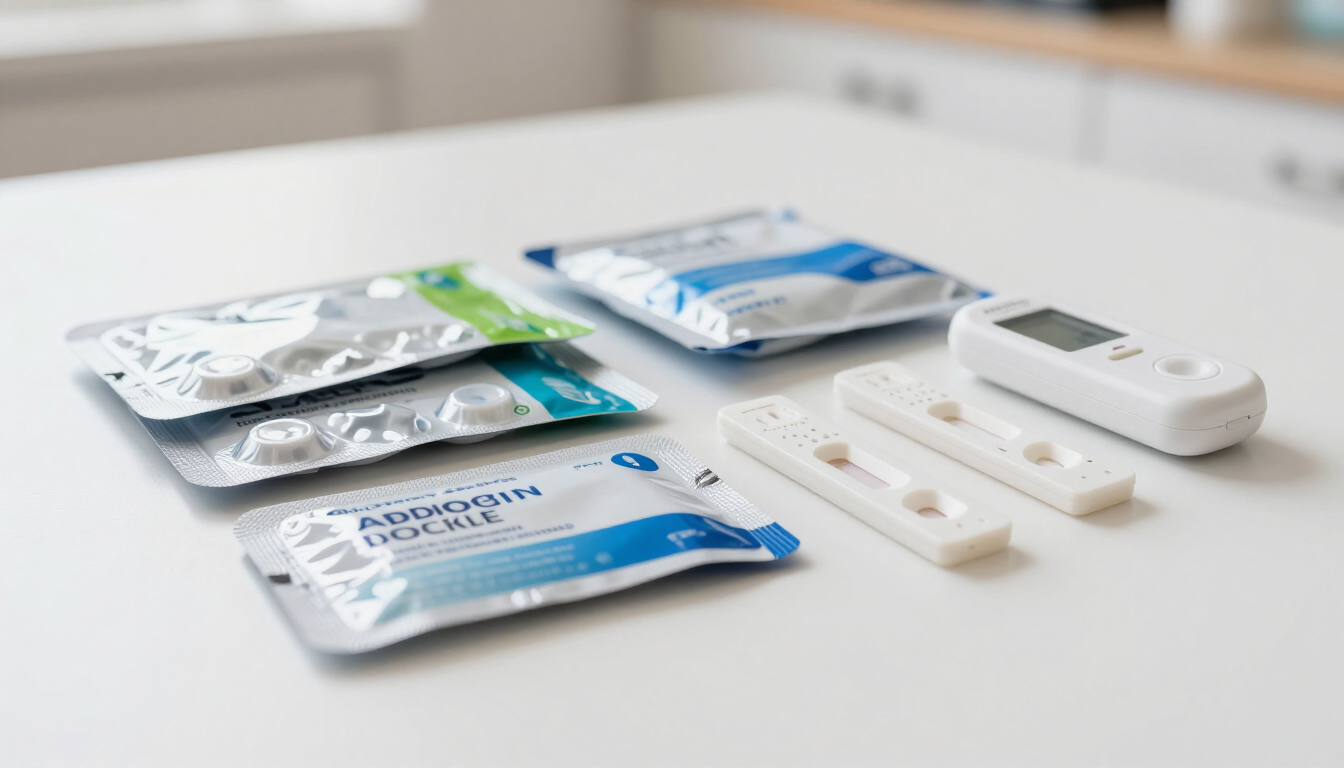
The costs associated with diabetes can be overwhelming. Even with insurance, the co-pays for insulin, test strips, sensors, and pumps can add up to thousands of dollars a year. This financial weight is one of the reasons why the disability classification is so important; it opens doors to programs that might assist with these costs. However, many people still find themselves in a "gap" where they have extra supplies due to a change in their medical regimen but cannot afford their other monthly expenses.
We understand this struggle intimately. As an independent buyer in Fayetteville, we offer a solution for those who have unexpired, unopened supplies that they no longer need. This helps put cash back into the pockets of local families while ensuring that these vital supplies don't go to waste. We focus on a respectful, private process because we know that managing a chronic illness is hard enough without additional stress. If you are in our Areas We Serve , we can often arrange a local pickup to make the process even easier.
Can you sell extra diabetic supplies in Fayetteville?
Yes, you can sell your unopened, unexpired diabetic supplies for cash in Fayetteville and the surrounding North Carolina areas. Many people find themselves with extra supplies when their doctor changes their brand of CGM, or when they transition from one type of insulin pump to another, like the Omnipod. Rather than letting these expensive items sit in a drawer and expire, you can convert them into immediate funds to help pay for other necessities.
We buy a variety of supplies, including:
- Dexcom G6 and G7 sensors and transmitters
- Omnipod 5 and DASH pods
- Freestyle Libre 2 and 3 sensors
- Medtronic MiniMed supplies
- Brand-name diabetic test strips
Our process is designed to be simple and local. You don't have to deal with the hassle of shipping or waiting for a check in the mail. We serve Fayetteville, Raeford, Hope Mills, Eastover, and Spring Lake. By keeping the transaction local and private, we provide a service that respects your time and your medical privacy. If you have questions about what we can take or how the process works, please Contact Us directly. We pride ourselves on being a reliable resource for the diabetic community in Cumberland County.
Next steps for managing your health and supplies
Navigating life with diabetes means staying informed about your legal rights and your financial options. Whether you are applying for workplace accommodations or seeking Social Security benefits, remember that the law is on your side. Diabetes is a significant life challenge, but the disability classification is a tool intended to support your independence and health.
In summary, here are the key takeaways regarding diabetes as a disability:
- Legal Standing: Diabetes is a disability under the ADA, ensuring protection against discrimination.
- Work & School: You are entitled to reasonable accommodations in both settings to manage your blood sugar safely.
- Financial Support: While SSA benefits are available, they require proof of significant complications.
- Resource Management: If you have extra supplies, selling them to a local buyer is a legitimate way to offset your healthcare costs.
- Self-Advocacy: Always keep detailed medical records to support your claims for benefits or accommodations.
Living with diabetes in Fayetteville doesn't have to be a solo journey. By understanding your rights and utilizing local resources, you can manage the condition more effectively and reduce the stress on your household. If you have surplus supplies, reach out today to see how we can help you turn those items into helpful cash for your family.
Recent Posts