
What Is the Diabetes–Glaucoma Link? Know Your Risk
Diabetes and glaucoma are related because diabetes can damage blood vessels and increase the risk of eye disease, while glaucoma damages the optic nerve through pressure or other mechanisms. Having diabetes does not mean you will develop glaucoma, but regular dilated eye exams help detect glaucoma, diabetic retinopathy, and other vision problems early.
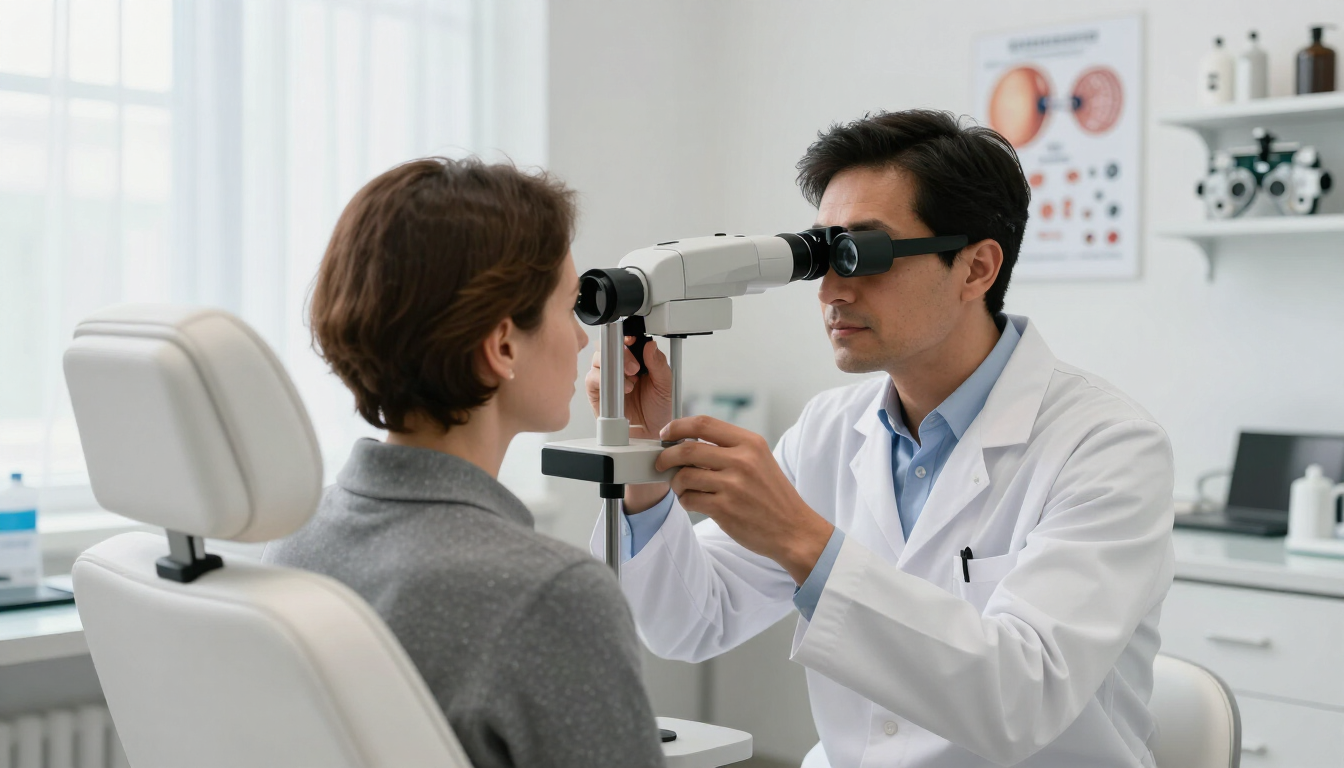
How are diabetes and glaucoma related?
Diabetes and glaucoma are separate conditions, but they can affect the eyes in connected ways. Diabetes changes how the body processes blood sugar. Over time, high blood glucose can injure small blood vessels throughout the body, including the vessels that supply the retina and optic nerve.
Glaucoma is a group of eye diseases that gradually damage the optic nerve—the structure that carries visual information from the eye to the brain. Elevated eye pressure is a common risk factor, although glaucoma can also occur when eye pressure is within the usual range.
Research has found that people with diabetes may have a higher risk of developing glaucoma than people without diabetes. The connection may be especially important when diabetes has caused retinal damage or abnormal blood vessel growth inside the eye. These new vessels can interfere with fluid drainage and contribute to a serious form called neovascular glaucoma.
This does not mean diabetes directly causes every case of glaucoma. Age, family history, eye anatomy, blood pressure, previous eye injuries, and other health factors also influence risk.
Does diabetes cause glaucoma?
Diabetes does not automatically cause glaucoma, and most people with diabetes will not develop every diabetes-related eye complication. However, diabetes can increase vulnerability to conditions that affect the optic nerve and raise eye pressure.
The most important distinction is between these two conditions:
- Diabetic retinopathy: Damage to retinal blood vessels caused by diabetes.
- Glaucoma: Progressive optic nerve damage, often associated with impaired fluid drainage or elevated eye pressure.
They may occur together, but one condition is not the same as the other. A person can have glaucoma without diabetes, diabetic retinopathy without glaucoma, or both conditions at the same time.
People managing diabetes should also understand that early eye disease often has no noticeable symptoms. Clear vision does not always mean the eyes are healthy. That is why preventive screening matters even when you feel fine.
What eye problems can diabetes cause?
High blood sugar can affect several parts of the eye. Common diabetes-related concerns include:
- Diabetic retinopathy, including leaking or bleeding blood vessels
- Diabetic macular edema, which can blur central vision
- Temporary blurry vision when blood sugar changes quickly
- Cataracts, which cloud the eye’s natural lens
- Increased risk of glaucoma in some patients
The risk generally rises with longer diabetes duration and poor blood sugar control, although individual risk varies. High blood pressure, smoking, kidney disease, pregnancy, and cholesterol problems may add to the likelihood of complications.
For more information about diabetes supplies, visit our page on products we buy . Health information should always be paired with advice from a qualified medical professional.

What are the symptoms of glaucoma?
The most common type of glaucoma develops slowly and may not cause symptoms at first. Peripheral—or side—vision is often affected before central vision, so a person may not notice changes until significant damage has occurred.
Possible symptoms in later stages include:
- Gradually narrowing side vision
- Difficulty adjusting to dark environments
- Halos around lights
- Eye pressure or aching in some cases
- Blurred vision
Acute angle-closure glaucoma is different and requires emergency care. Severe eye pain, sudden blurred vision, halos around lights, headache, nausea, or vomiting can signal a rapid pressure increase. Anyone with these symptoms should seek urgent medical attention rather than waiting for a routine appointment.
What are the warning signs of diabetic eye disease?
Diabetic eye disease may also be silent at first. When symptoms occur, they can include blurred or fluctuating vision, dark spots or floaters, difficulty reading, faded colors, or a dark area in the visual field.
Sudden new floaters, flashes, a curtain-like shadow, or rapid vision loss require prompt evaluation. These symptoms can indicate bleeding, retinal detachment, or another urgent problem.
Do not assume that vision changes are caused by ordinary blood sugar fluctuations. A clinician can determine whether the problem involves the cornea, lens, retina, optic nerve, or another part of the eye.
How often should people with diabetes have eye exams?
Most people with diabetes should receive a comprehensive dilated eye examination at least once a year, but the correct schedule depends on the type of diabetes, previous findings, pregnancy status, and overall risk.
General guidance often includes:
- Type 1 diabetes: An eye exam is commonly recommended within five years of diagnosis, followed by regular examinations.
- Type 2 diabetes: A comprehensive exam is often recommended soon after diagnosis because the condition may have been present for some time.
- Pregnancy with diabetes: Additional examinations may be needed before pregnancy or early in pregnancy, with follow-up based on the eye specialist’s advice.
- Existing eye disease: More frequent monitoring or treatment may be necessary.
Your eye doctor and diabetes care team should set an individualized schedule. A dilated exam can reveal changes that a basic vision screening may miss.
How can you lower your risk of diabetes-related eye damage?
You cannot control every risk factor, but consistent diabetes care can help protect vision and overall health. Practical steps include:
- Follow the blood sugar plan prescribed by your healthcare team.
- Monitor blood pressure and cholesterol as recommended.
- Attend comprehensive dilated eye exams, even without symptoms.
- Take prescribed medications consistently and discuss side effects.
- Avoid smoking and ask for support if quitting is difficult.
Do not make major changes to medication, diet, or glucose targets without medical guidance. Gradual, supervised management is safer than trying to correct blood sugar rapidly on your own.
Diabetes and glaucoma: what should you ask your eye doctor?
At an appointment, useful questions include:
- Do I have signs of glaucoma, diabetic retinopathy, or both?
- What is my eye pressure, and how does it compare with my risk factors?
- Has my optic nerve or visual field changed since my last exam?
- How often should I return for monitoring?
- Should my diabetes care team adjust anything based on these findings?
Bring a current medication list, recent blood sugar information, and details about vision changes. If you use contact lenses or have had previous eye surgery, mention that as well.
Key takeaways
Diabetes and glaucoma are related through shared eye-health risks, but they are different diseases. Diabetes can increase the chance of optic nerve and retinal problems, while glaucoma may progress without noticeable symptoms. The most useful next step is a comprehensive eye exam on the schedule recommended by your healthcare provider, along with steady management of blood sugar, blood pressure, and cholesterol. Seek urgent care for sudden vision loss, severe eye pain, new flashes, or a curtain-like shadow. For local information about our service area, visit Areas We Serve .
Recent Posts